
If you are building a web product – or deciding whether to rebuild one – the technology your development team uses on the frontend matters more than most non-technical decision-makers realize. The wrong choice can mean slower pages, higher development costs, harder-to-find engineers, and expensive rewrites down the line. The right choice can mean faster delivery, better user experience, and a codebase that scales cleanly as your product grows.
React is the most widely used frontend framework in the world – a tool that developers use to build everything a user sees and interacts with on a website or web application. It powers the interfaces of Meta, Instagram, Airbnb, Dropbox, and Atlassian. According to the State of JS 2025 survey, React still tops the popularity charts. But popularity is not the same as fit. An increasing number of engineering teams are actively evaluating React alternatives – and for good reason.
At Acropolium, we’ve worked on frontend architecture decisions across dozens of client engagements in fintech, healthcare, logistics, and beyond. This guide shares the same straight answer we give our clients: here’s what the main React alternatives are in 2026, when each one is the better choice, and – equally important – what that choice means for your budget, timeline, and product quality.
Why Development Teams Look for React Alternatives
React is a solid, well-supported library. But there are situations where it creates real friction – and those friction points have direct business consequences. Here is what they are, in plain terms:
- Your product loads slowly on mobile devices
React requires the browser to download a significant amount of code before your page becomes usable. In technical terms, this is called a bundle size – the total weight of code sent to the user’s browser. The heavier the bundle, the longer users wait. According to Google’s own research, the probability of a user leaving a page increases by 32% when load time goes from 1 second to 3. For teams building for mobile users or markets with slower internet connections, React’s weight is a genuine problem. 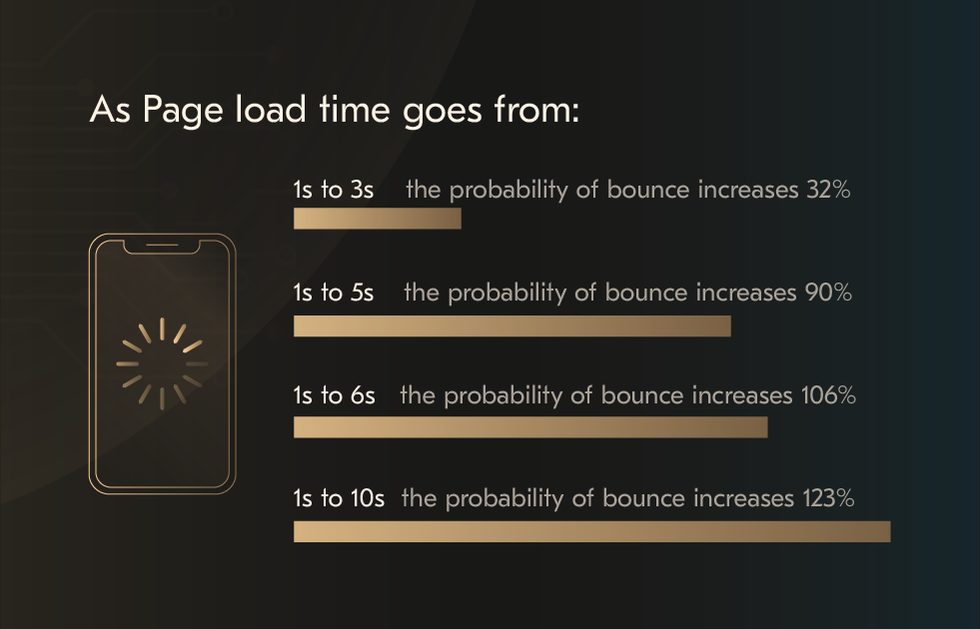
- State management adds cost and complexity
React doesn’t include a built-in solution for state management – the way an application remembers and shares data across different screens. Teams have to choose and maintain a separate tool (Redux, Zustand, MobX, and others), each with its own trade-offs. That decision takes engineering time. The ongoing maintenance takes more. Other frameworks include this out of the box.
- Your product’s UI has to update constantly in real time
React uses something called a Virtual DOM – an internal mechanism that figures out what changed on screen and updates only that part. It’s clever, but it does extra work on every update cycle. For products where the interface is updating many times per second – live dashboards, trading platforms, collaborative tools – this overhead is measurable in user experience.
- Your team is growing and the codebase is getting hard to manage
React’s flexibility is one of its strengths, but it’s also a liability on larger teams. Without strong conventions, different engineers make different architectural decisions, and the codebase becomes inconsistent over time. Some frameworks enforce stricter patterns, which feels like a constraint early on, but becomes an asset as the team and product scale.
- React is more than you actually need
For a content-focused website, a marketing page, or a lightweight internal tool, React brings overhead that never gets used. Simpler frameworks can deliver the same result in less time, with less code, and at lower cost.
None of this is a reason to avoid React by default. It is a reason to make the decision deliberately – and to understand what you are trading off in either direction.
What Makes a Good Alternative to React
Not every framework that isn’t React is worth switching to. A genuine alternative to React JS needs to clear a few practical bars:
A real production track record. Promising early releases and positive developer buzz aren’t enough. We look for frameworks that are running in real products at scale, have been around long enough to encounter the hard problems, and have a stable release history.
Complete enough tooling. A modern web product needs routing (navigation between pages), server-side rendering (explained below), testing support, and integration with the broader development ecosystem. Missing any of these means your team has to build it from scratch.
A concrete reason to exist over React. Better performance, a lower learning curve, stronger built-in structure for large teams – there has to be a clear advantage, not just a different syntax.
Long-term maintenance commitment. Google maintains Angular. Vercel employs the creator of Svelte. Vue has a well-funded open-source foundation. SolidJS has an active maintainer. For any product with a multi-year lifespan, this is a real risk factor because any React framework alternatives that lose maintainer support become expensive liabilities.
Best React Alternatives in 2026
Here are five React JS alternatives we would recommend evaluating in 2026. Each is in active production use at major companies, each has a stable ecosystem, and each solves a distinct set of problems.
Vue.js
Vue.js is one of the most widely used front-end frameworks in the world, and it tends to be underestimated by teams who associate it with smaller projects. That’s an outdated read.
GitLab, the software development platform used by over 30 million developers, rebuilt its main frontend around Vue starting in 2016. Their engineers documented publicly how one feature went from 30 lines of complex code to a single clean Vue component.
Nintendo uses Vue across its European regional sites and the My Nintendo reward system.
_Zoom’_s web client is built on Vue.
Grammarly, Alibaba, and Louis Vuitton’s website (running on Vue with Nuxt.js, its companion framework for server-side rendering) are all real-world proof that this is an enterprise-grade technology. 
What makes Vue stand out technically is the developer experience. Its single-file components – files that keep visual design, logic, and styles all in one place – make it faster to read and modify code. Its documentation is, frankly, the best of any major front-end framework we have worked with. That means developers spend less time hunting through documentation and more time shipping product. To onboard less specialized developers onto Vue projects is noticeably faster than equivalent React work, and that difference has a direct impact on time-to-market.
The honest trade-off: Vue’s hiring pool is smaller than React’s, particularly in North American markets. If your team needs to scale quickly and hire 20 senior engineers in a short window, that can be a practical constraint worth factoring in.
What this means for your business: Faster developer onboarding means lower training costs and shorter time-to-market. Vue’s clean structure tends to produce fewer bugs in growing codebases, which reduces maintenance costs over time.
Good fit for: Mid-size web applications, B2B tools, teams with mixed experience levels, projects where incremental migration from an older codebase is needed.
Watch out for: Smaller senior talent pool than React in some markets. Check local hiring availability before committing for a large team.
Angular
Angular is the framework that gets criticized in developer discussions and quietly powers some of the most complex, high-stakes web products in existence.
IBM relies on Angular across enterprise product lines.
PayPal uses Angular to power high-traffic checkout flows.
Forbes runs parts of its website on Angular to handle large content volumes under real traffic pressure. 
These are not boutique technology choices – they reflect a specific and deliberate set of trade-offs.
Angular is a full-featured, opinionated framework – meaning it comes with strong, built-in opinions about how code should be structured, tested, and organized. Routing, form handling, data fetching, testing utilities, and TypeScript support (a stricter version of JavaScript that catches errors before they reach users) are all included out of the box. Teams don’t have to make those decisions independently, which means large engineering organizations make them more consistently. That consistency compounds in value over a 200,000-line codebase shared by 30 engineers.
The trade-off is real: Angular takes longer to set up and longer to learn than React or Vue. The initial ramp-up period is genuine, not just documentation-page warnings. Don’t underestimate it for a team starting fresh.
Angular 17 improved performance meaningfully with a new reactivity model, addressing the longstanding criticism that it was slower than competitors. It is not the sluggish framework of 2019.
What this means for your business: For large enterprise products, Angular reduces architectural inconsistency as teams grow – which directly lowers bug rates and maintenance costs. Google’s long-term support commitment reduces the risk of the framework being abandoned, which matters for products with 5+ year lifespans.
Good fit for: Enterprise applications, regulated industries (healthcare, finance, government), teams of 10+ developers, products expected to run for 5 years or more.
Watch out for: Steeper learning curve than React or Vue. Higher initial setup cost. Overkill for simpler products or small teams.
Svelte
Svelte takes a different approach from every other framework on this list. Rather than sending framework code to the browser and running it there, Svelte compiles – converts – your application into lean, optimized JavaScript at build time. The browser receives only the code it actually needs, with no framework overhead at all. There is no Virtual DOM, no reconciliation cycle, no runtime machinery.
Build time vs. runtime: Build time is when your code is being prepared for deployment, before anyone uses it. Runtime is when users are actually on your site. Svelte does its heavy lifting at build time, so users experience a faster, lighter result.
The business impact of this approach is real and measurable. Svelte bundles are typically 30–60% smaller than equivalent React bundles, which means your pages load faster, especially for users on mobile devices or slower connections.
The New York Times uses SvelteKit (Svelte’s full-stack companion) for interactive data journalism pieces where fast, lightweight rendering directly affects reader engagement.
Spotify has used Svelte for performance-sensitive UI surfaces.
Radio France migrated their site to SvelteKit to improve the speed of page load. 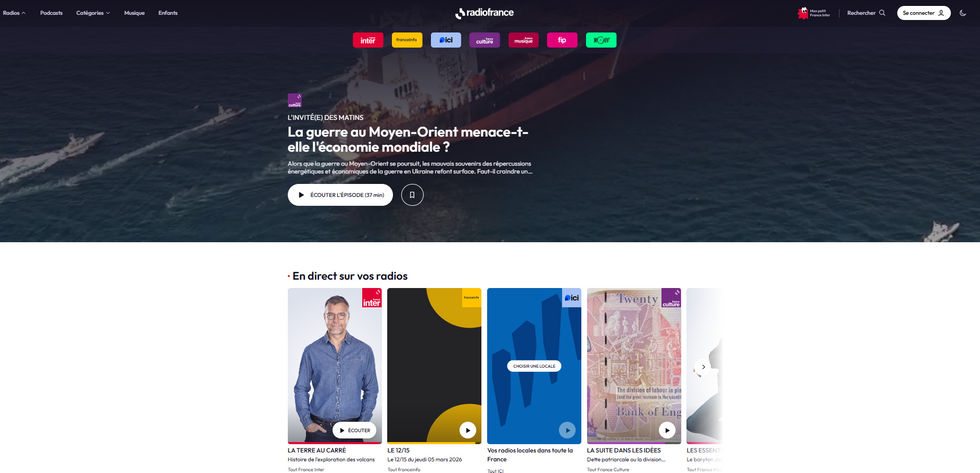
The limitation is the ecosystem. Svelte’s library of pre-built components – tools like data tables, rich-text editors, and complex charting libraries – is thinner than React’s. Teams that rely heavily on off-the-shelf UI components will find fewer ready options and may need to build more from scratch.
What this means for your business: Faster page loads directly affect conversion rates, SEO rankings, and user retention – especially on mobile. Smaller bundle sizes also reduce bandwidth costs.
Good fit for: Content platforms, marketing sites, mobile-first products, any project where page load speed is a measurable business metric.
Watch out for: Fewer off-the-shelf UI component libraries than React. Check for the specific components you need before committing.
SolidJS
SolidJS looks similar to React from a developer’s perspective – the code structure is familiar, and the learning curve for React developers is shorter than with other alternatives. But it works fundamentally differently under the hood. Instead of React’s Virtual DOM approach, SolidJS uses fine-grained signals – a system where each piece of data knows exactly which parts of the screen depend on it, and updates only those parts directly. No middle step, no extra work.
Signals: Think of signals like a live spreadsheet cell. When a value changes, every cell that references it updates automatically and immediately – without recalculating the entire spreadsheet. SolidJS works on the same principle for your UI.
The result is the fastest rendering performance of any framework on this list. The js-framework-benchmark – the most rigorous independent performance test for JavaScript frameworks – consistently places SolidJS at or near the top, ahead of React by a meaningful margin. For a live financial dashboard refreshing hundreds of data points per second, or a collaborative tool where multiple users are editing simultaneously, that performance gap shows up in actual user experience.
The honest caveat: SolidJS is at an earlier stage of enterprise adoption than React, Vue, or Angular. It doesn’t yet have the same breadth of pre-built component libraries or the same depth of community-contributed resources. SolidStart, its companion framework for full-stack applications, is newer and should be treated as capable but less battle-tested than Next.js or SvelteKit.
What this means for your business: Best suited to products where the interface updates constantly and speed is a direct user experience requirement – financial platforms, live analytics, real-time collaboration tools. Lower ecosystem maturity means potentially higher custom development cost for certain UI components.
Good fit for: Real-time applications, live dashboards, financial interfaces, teams with React experience who have hit a performance ceiling.
Watch out for: Earlier-stage ecosystem. Budget extra for components your team may need to build rather than import.
Next.js
Next.js is technically built on top of React rather than being a standalone alternative to React, but it belongs in this comparison for a practical reason: a large share of teams exploring React alternatives aren’t actually unhappy with React – they’re unhappy with how much infrastructure they have to build around it themselves. Next.js solves that.
Next.js provides everything a production web application needs out of the box: routing, image optimization (automatically compressing and resizing images for faster loads), and server-side rendering (pages are built on the server and sent to users as ready-to-read HTML, rather than being assembled in the browser). That last feature has two important business implications: pages load faster, and they show up in Google search results more reliably.
Server-side rendering (SSR): Imagine two restaurants. One hands you a bag of raw ingredients and asks you to cook at the table (client-side rendering – the browser does the work). The other serves you a finished plate (server-side rendering – the server does the work). The finished plate arrives faster. SSR works the same way: users get a fully-formed page almost immediately instead of waiting for the browser to assemble it.
Nike’s e-commerce platform, TikTok’s web presence, Hulu, Twitch, Notion, Walmart, Starbucks, and Uber all use Next.js in production. As of 2025, over 17,000 verified companies use it globally. For any product where SEO matters – e-commerce, content publishing, marketing-driven growth – Next.js is the most practical and proven choice available. The one real risk is vendor dependency: Next.js is built and maintained by Vercel, and while self-hosting is possible, the product is optimized for their platform. 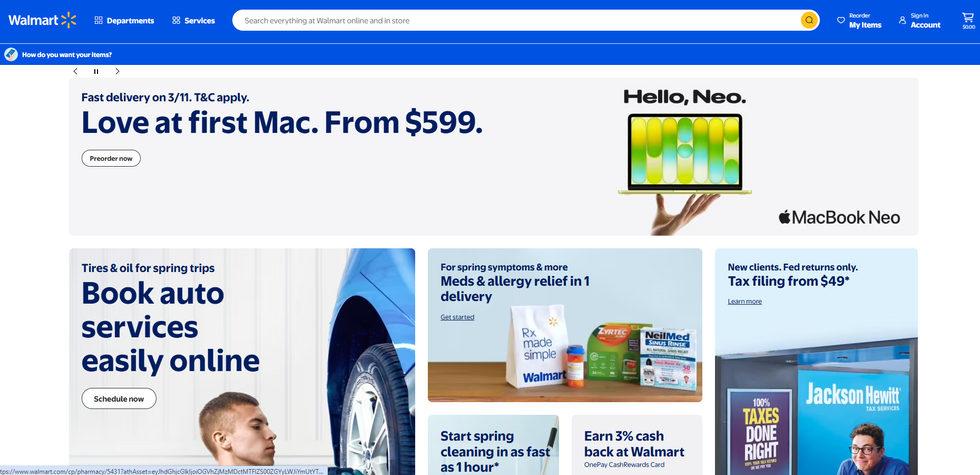
What this means for your business: Better SEO performance means more organic traffic. Faster page loads mean lower bounce rates and higher conversion. Pre-built infrastructure means less engineering time spent on plumbing and more time on product features. Factor in the vendor alignment with Vercel if platform independence is a priority for your organization.
Good fit for: E-commerce, content platforms, marketing-driven websites, SaaS products with SEO requirements, teams already using React.
Watch out for: Strong ties to Vercel’s platform. Self-hosting requires more configuration effort. The newer App Router features have a learning curve.
React Competitors Compared at a Glance
This table gives a fast reference to the pros and cons of the above-mentioned alternatives to React. The first four columns are technical; the last two translate directly to business decisions.
| Framework | Page Speed Impact | Dev Learning Curve | SSR / SEO Ready | Best Business Fit | Used by |
|---|---|---|---|---|---|
| React | Medium | Moderate | Via Next.js | Ecosystem-rich apps, large dev markets | Meta, Airbnb, Dropbox |
| Vue.js | Good | Low | Via Nuxt.js | Mid-size apps, fast onboarding | GitLab, Nintendo, Zoom |
| Angular | Good | High | Built-in | Enterprise, regulated industries | Google, Microsoft, IBM, PayPal |
| Svelte | Excellent | Low | Via SvelteKit | Performance-critical, SEO-heavy sites | NYT, Spotify, Radio France |
| SolidJS | Best-in-class | Moderate | Via SolidStart | Real-time apps, live dashboards | Early adopters; growing enterprise use |
| Next.js | Very Good | Moderate | Excellent | E-commerce, SEO, content platforms | Nike, TikTok, Hulu, Notion, Walmart |
What Is Better Than React? The Honest Answer
“What is better than React?” is one of the most searched questions in the JavaScript ecosystem, and the honest answer is: it depends on what problem you are trying to solve. Anyone who gives you a single-word answer without asking about your product first is oversimplifying.
Here is the cleaner version of that answer, broken down by the outcome that matters most:
- If page speed and load time are your priority 🡪 Svelte and SolidJS are measurably faster than React. Smaller bundles, less browser overhead, faster first paint. SolidJS leads the independent benchmark testing by a significant margin.
- If you are building a large enterprise product 🡪 Angular. Its built-in structure and conventions reduce inconsistency as teams grow – which means fewer bugs, lower maintenance cost, and less architectural debt over time.
- If you need to ship quickly and keep costs down 🡪 Vue.js. The onboarding speed advantage is real and documented. Shorter time to a productive developer means shorter time to a working product.
- If your product needs strong SEO and content performance 🡪 Next.js. It is the industry standard for server-side rendering and the framework of choice for e-commerce and content-driven products at scale.
- If you are already using React and just need it to work better in production 🡪 Next.js again – it adds the infrastructure defaults that most React teams end up building themselves anyway.
The framing we find most useful in client conversations: rather than asking “which framework is best”, ask “which framework removes the most friction for this specific product and this specific team.” That question has a concrete, answerable answer – it just requires knowing your actual project constraints.
Alternatives to React for Front-End Development by Use Case
The right frontend framework isn’t a technical preference – it’s a business decision with real consequences for your product’s performance, your users’ experience, and your long-term operating costs. Here’s how each alternative maps to the specific problems products actually run into.
Enterprise Applications
The product problems enterprises face:
Your platform has grown complex. It serves multiple user roles – administrators, analysts, operations staff, compliance teams – each with different workflows, permissions, and data views. Features that were straightforward at launch are now deeply interdependent. Adding something new risks breaking something existing. The product has to meet audit and compliance requirements, which means the codebase needs to be predictable and traceable. Every quarter the product grows, and so does the cost of maintaining it.
How Angular solves it:
Angular is built for products that can’t afford architectural chaos at scale. Its strict, opinionated structure means the product grows consistently – new modules follow the same patterns as old ones, integrations are predictable, and compliance-relevant code is easy to locate and reason about. The product becomes easier to extend without breaking what already works.
Google Cloud Console, Office 365, and IBM’s enterprise product suite all run on Angular. These are platforms that serve millions of users across deeply complex workflows – and they rely on Angular precisely because product complexity doesn’t become maintenance chaos over time.
What changes for your product: Stable feature delivery as complexity grows. Lower risk of regressions when adding new functionality. A codebase that supports compliance audits and security reviews without requiring significant remediation work first.
Startups and MVPs
The product problems early-stage companies face:
Your product doesn’t exist yet – or exists in a form that hasn’t been validated. Every week without something in users’ hands is a week of assumptions you can’t test. The features that matter most aren’t the ones you’ve built yet; they’re the ones users tell you about after they’ve used the first version. Your biggest risk isn’t the wrong technology – it’s building the right product too slowly to find out if it works.
How Next.js and Vue solve it:
Next.js gives a product fast load times and proper routing from day one – infrastructure that would otherwise get built (imperfectly) later, or not at all until it becomes a problem. The product launches in a production-ready state rather than a state that needs remediation before it can grow.
Vue produces working interfaces faster than most alternatives, which means the product reaches real users sooner. Earlier user feedback means earlier course correction, which is the difference between a pivot that costs two weeks and one that costs six months.
What changes for your product: Shorter time from idea to something users can actually react to. A product that’s ready to scale from the moment it launches, rather than one that needs rebuilding once it gets traction.
SaaS Products
The product problems SaaS companies face:
Your dashboard is the product. Users don’t evaluate your infrastructure or your data model – they evaluate how the interface feels when they’re working in it. A dashboard that lags under load, stutters when filters are applied, or takes three seconds to reflect a change erodes trust in the entire platform, regardless of what’s happening underneath. You’ve also probably already made one technology decision that’s now costing you – a framework that made sense at 500 users behaving differently at 50,000, and a rewrite that would be expensive enough that you’re absorbing the drag instead.
How React/Next.js, SolidJS, and Svelte solve it:
React with Next.js handles the broad surface area of a SaaS product well – public marketing pages, authenticated dashboards, onboarding flows – within a single coherent architecture. Notion, for example, uses Next.js to keep a product spanning documents, databases, and collaborative workspaces feeling fast and consistent across all surfaces.
For SaaS products where the dashboard is genuinely data-intensive – live metrics, frequently-refreshing tables, real-time status indicators – SolidJS and Svelte are architecturally better suited. The performance advantage is built into how they work, not achieved through optimization work on top of a slower foundation. A product built on SolidJS doesn’t gradually degrade under data load the way a React-based dashboard can; it stays responsive because responsiveness is the default, not the target.
What changes for your product: A dashboard that users describe as “fast” rather than “fine.” Lower churn from performance frustration. A foundation that serves users equally well at launch and at scale, without a costly architectural rework in between.
High-Performance Applications
The product problems high-performance products face:
Your product operates in a context where slow UI is not a cosmetic problem – it’s a functional one. A trading platform where a lagging interface means users act on stale data. A logistics operations center where a delayed map update means a wrong dispatch decision. A live monitoring dashboard where a half-second render delay is a clinical or operational risk. These products promise real-time accuracy, and the interface has to deliver it. When it doesn’t, the product fails its core value proposition – regardless of how good the data behind it is.
How SolidJS and Svelte solve it:
Most frameworks update the screen by comparing a virtual copy of the interface to the real one and syncing the differences. At modest update frequencies this is fast enough. At the update rates these products require, the overhead accumulates visibly. SolidJS eliminates the comparison step entirely – each data point updates only the exact screen element it affects, directly, with no intermediate layer. Svelte compiles away the framework overhead at build time, so the browser runs lean, optimized code with nothing extra between data and display.
The result is an interface that stays accurate and responsive under the conditions your users actually work in – not just in a demo environment with controlled data volumes.
What changes for your product: An interface that keeps its performance promise under real operating conditions. Users who trust what they see on screen because it reflects reality in real time. A product that doesn’t need performance remediation every time data volume increases.
SEO-Heavy Websites and E-Commerce
The product problems content and commerce products face:
Your product’s growth depends on people finding it. Organic search is your most cost-efficient acquisition channel, and a slow or poorly indexed frontend is quietly undermining it. Pages that take four seconds to load lose roughly a third of visitors before they see a single word of content. Google deprioritizes pages with poor Core Web Vitals scores. Every extra second of checkout load time reduces conversion. You’ve invested in content, in campaigns, in product photography, in pricing strategy – and a slow frontend is diluting the return on all of it. During peak traffic – a sale event, a viral moment, a seasonal spike – the product needs to hold up without degrading.
How Next.js solves it:
Next.js delivers pages as finished, readable HTML before the user’s browser has to do any work – which is why pages load fast and Google indexes them reliably. Nike’s e-commerce platform, Walmart, Starbucks, and Hulu all use Next.js in production for exactly this reason: products that live and die by search visibility and page performance at massive scale need a foundation built for it, not retrofitted toward it.
The practical impact is measurable: faster load times mean higher search rankings, lower bounce rates, and better conversion from the traffic you’ve already paid to acquire. Nuxt.js and SvelteKit deliver comparable results for products already built in Vue or Svelte ecosystems.
What changes for your product: More organic traffic from better search rankings. Higher conversion from a faster, more reliable user experience. A product that handles traffic spikes – launches, campaigns, seasonal peaks – without performance degrading at the moment it matters most.
How Acropolium Approaches Front-End Architecture
Our frontend development services cover greenfield product builds, legacy modernization, and long-term engineering partnerships across fintech, healthtech, logistics, automotive, and beyond. Over more than 20 years and 200+ delivered solutions, we’ve worked with various frontend frameworks like React, Vue.js, Angular, and others in actual production environments across dozens of industries.
Framework selection in our process is never a default. Before recommending a frontend stack, we want to understand the expected user load, where performance matters most in the product, the realistic delivery timeline, and what the maintenance picture looks like three years from now. Our custom software development team runs this conversation as part of every architecture engagement. The below examples from our own portfolio show how these decisions translate into measurable business outcomes and why the framework choice was specific to each product’s needs.
Vue.js + Nuxt.js: When real-time trading performance and fast go-to-market both matter.
For a next-generation cryptocurrency exchange platform built for a Malta-based fintech company serving thousands of active traders daily, the frontend had to handle microsecond-level order matching updates, live order book changes, and real-time leaderboards for social trading – all simultaneously, without lag. We chose Vue.js with Nuxt.js because Vue’s reactive data binding performs efficiently under frequent small updates, and Nuxt.js provided the SSR infrastructure needed for fast initial loads. 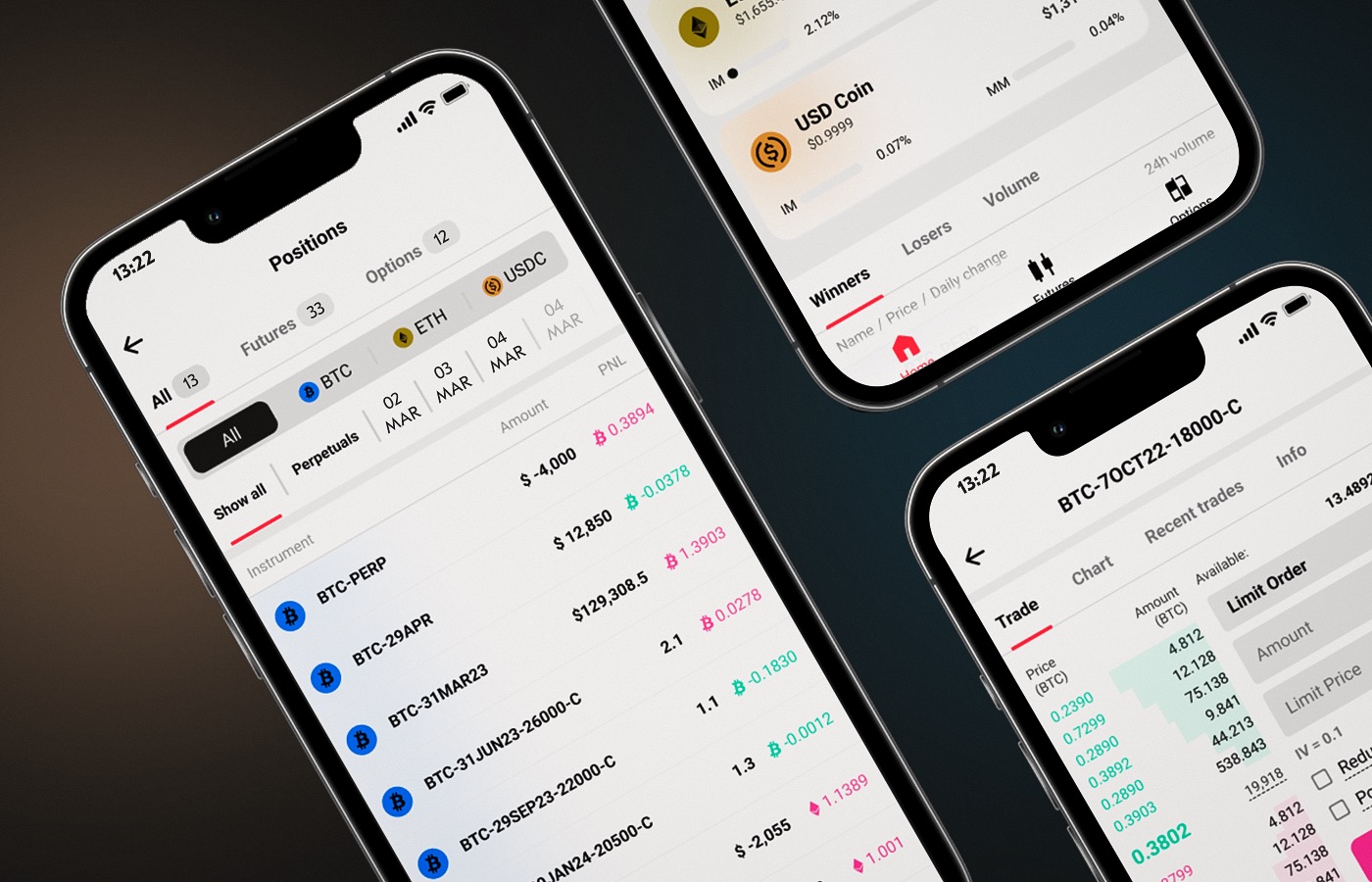
Angular: When a regulated financial firm needs a frontend that stays consistent across years and teams.
For an Austrian international financial services firm managing investment portfolios across multiple continents, we developed a portfolio intelligence and asset management platform – a complex internal tool used by analysts, risk managers, and executives with different access levels and different data views. The firm operated in a highly regulated environment requiring audit trails, scenario modeling, and compliance-grade reporting.
We chose Angular 13 with Material Angular and Azure cloud services because this was precisely the use case Angular is built for: a multi-role enterprise dashboard shared across a growing organization, in a regulated environment, expected to run for years. Angular’s enforced module structure, built-in role-based access patterns, and TypeScript-first codebase meant the product could scale consistently without architectural inconsistency building up over time. 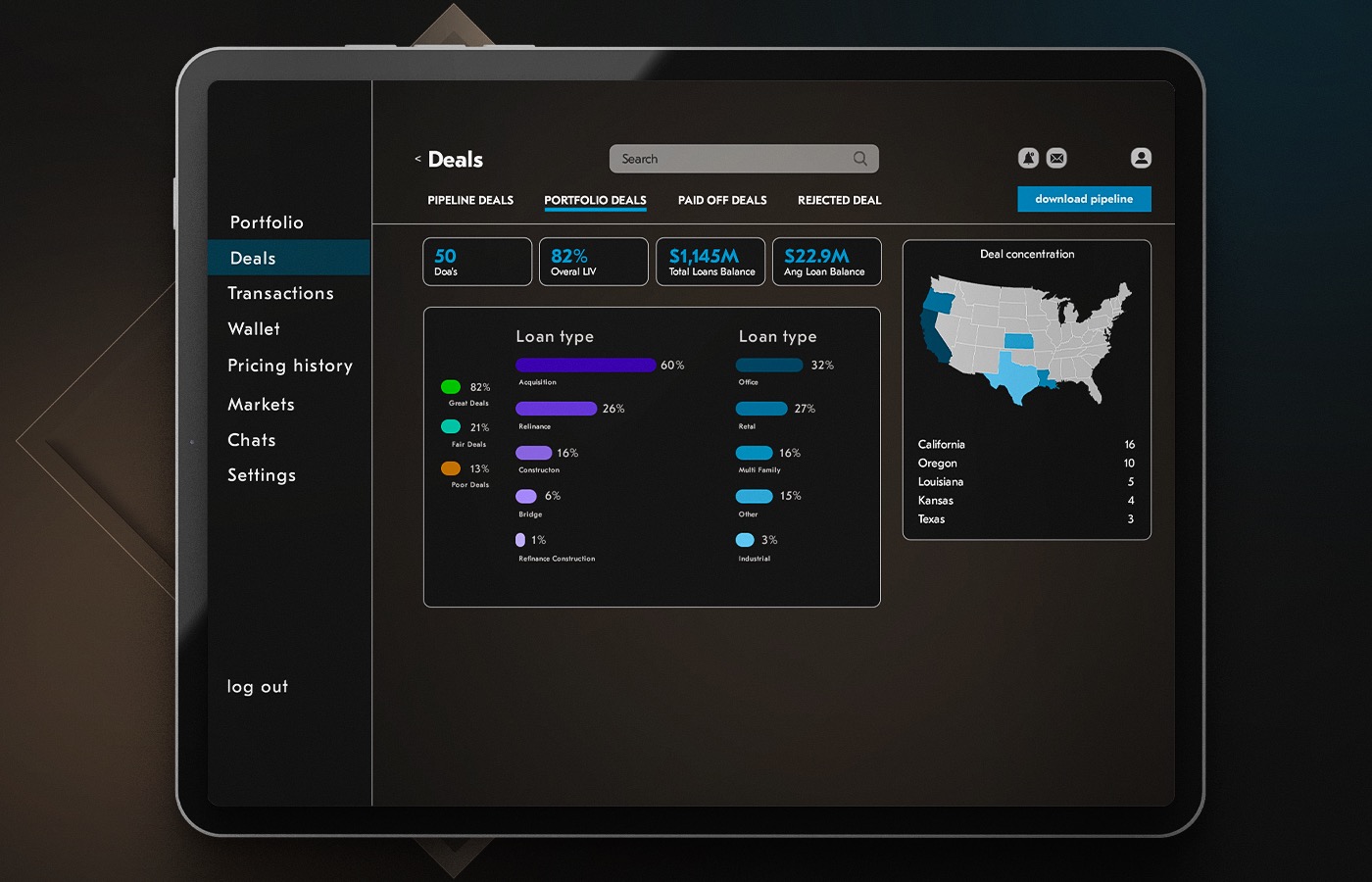
Vue.js: When an oil and gas supply chain needs a transparent, auditable interface across complex multi-party workflows.
For a French oil and gas company, we build a blockchain-based supply chain platform covering the movement of products from extraction through distribution, where the frontend had to make a technically complex, decentralized data model legible to non-technical operational staff. Suppliers, manufacturers, logistics providers, and distributors all needed to interact with the same platform in different ways. We chose Vue.js with Vuetify and D3.js because Vue’s component architecture made it straightforward to build role-differentiated views from shared data, and the Vuetify component library accelerated the delivery of a consistent, professional interface without building everything from scratch. 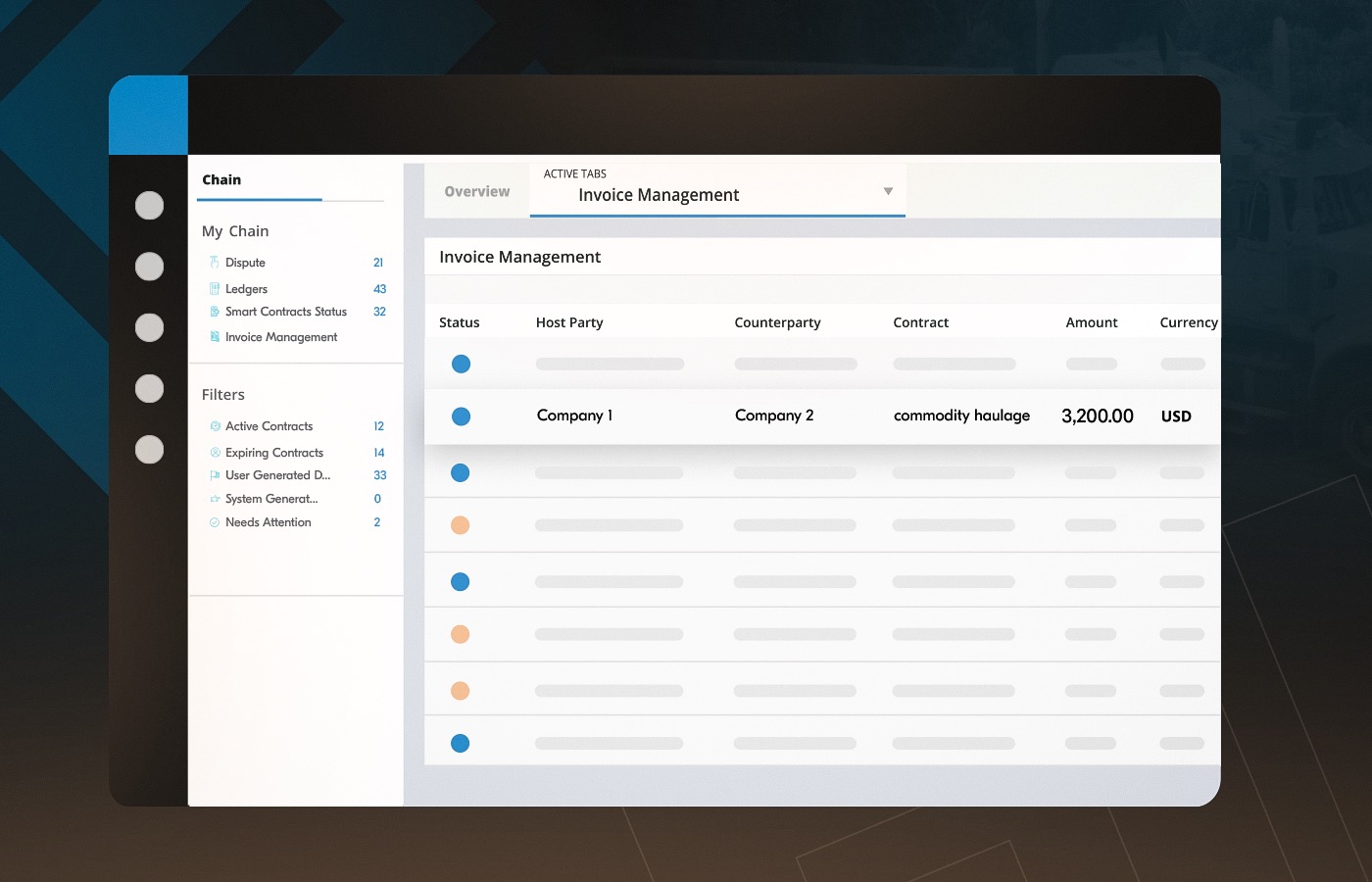
Conclusion
The search for something “better than React” is understandable, but it tends to frame the question wrong. React isn’t the problem. The problem is treating React – or any framework – as a default rather than a deliberate decision.
Vue, Angular, Svelte, SolidJS, and Next.js have all reached a level of maturity in 2026 where choosing them over React is not a risk. It is often the more informed decision. Each framework on this list is in active production use at major companies. The differentiator is fit – match the tool to the job, not the job to the most popular tool.
What we see consistently across our work is that the products with the best long-term frontend outcomes are the ones built on a clear technical brief from the start: performance targets, team size, scalability expectations, and a realistic maintenance plan. Component-based architecture decisions, state management strategy, and rendering approach matter as much as the framework name. Get those right and most capable frameworks will serve you well. Get them wrong and even React won’t compensate.
If you’re working through this kind of decision – whether at the start of a new product or wondering if an existing architecture is setting you up for problems – this is exactly the kind of web application development conversation we have with clients regularly. Acropolium would be glad to become your trusted partner in frontend development – contact us to see how we can help you with performance optimization of your business.






![Discovery Phase in Software Development: [Benefits, Steps & Team Roles]](/img/articles/discovery-phase-in-software-development-benefits-steps-and-team-members/img01.jpg)
![Custom Software Development Cost Estimation [2025 Guide]](/img/articles/software-development-project-estimation/img01.jpg)
![How to Build a Minimum Viable Product: [2026 Guide]](/img/articles/how-to-build-a-minimum-viable-product/img01.jpg)