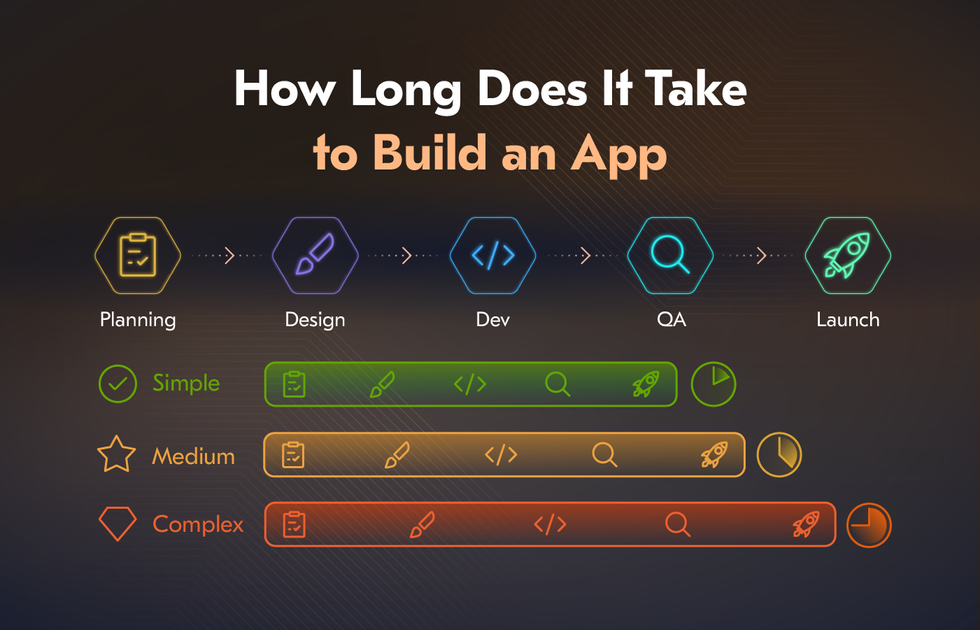
If you are planning to build an app and need a realistic delivery window, here is the short answer: most applications take 3 to 9 months to develop, depending on scope. A simple app with a focused feature set can be ready in 3 to 4 months. A medium-complexity product typically takes 5 to 7 months. Enterprise-grade or feature-heavy applications often require 8 to 12 months or more. These are just the estimates. Every project is different, and the numbers shift based on team size, technology choices, third-party integrations, and how clearly the requirements are defined before development begins. We will break all of that down further below.
The single biggest variable is complexity. It drives the timeline for app development more than any other factor: more than platform choice, more than team location, more than tooling. Getting that assessment right at the start is what separates a realistic roadmap from one that falls apart in month three.
At Acropolium, we have 20+ years of experience in custom software development, including desktop, mobile, and web apps. That hands-on experience across project types is what this guide draws from: what app development actually takes, what drives delays, and how to structure a project for on-time delivery.
How Long Does It Take To Develop an App Based On Stages?
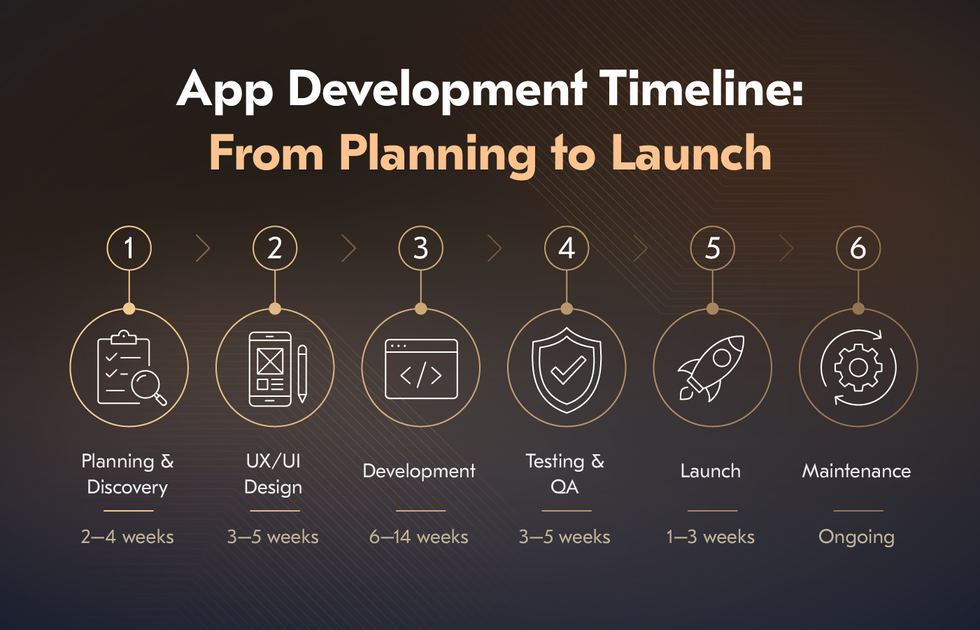
Most applications take four to five months to reach a final release. For a high-quality native MVP, the benchmark is closer to 18 weeks. Neither figure tells the full story on its own. The actual timeline for app development depends on how each stage is scoped, resourced, and managed.
Here is what that process typically looks like from start to launch and what drives the clock at each phase.
Planning and Discovery – 2 to 4 weeks
Before a single wireframe gets drawn, the trusted development team invests time to understand what they’re going to build and for which reasons. Discovery phase in software development covers requirements gathering, competitor analysis, technical feasibility assessment, and product scope definition. Skipping or compressing this stage is one of the most reliable ways to extend the overall timeline. Ambiguous requirements discovered mid-development cause rework, scope changes, and delayed sign-offs take more time than the discovery phase itself.
UX/UI Design – 3 to 5 weeks
During this phase, the team defines how the application will behave: user flows, task logic, information hierarchy, and interaction patterns. The timeline stretches when stakeholders are unclear about the target user, when feedback rounds multiply, or when the feature list grows during design. For complex applications with many distinct user roles or workflows, five weeks is more realistic than three.
Backend and Frontend Development – 6 to 14 weeks
Development is where most of the timeline variance happens. Backend requirements in app development covers server architecture, database design, APIs, authentication, and business logic. On the other side, frontend needs approved designs into working interfaces. It usually connects them to backend services. Both tracks should run in parallel, but they constantly converge, and integration friction is common.
Backend development alone averages around from 6 to 10 weeks for a standard product. That figure could shrink. If the teams use pre-built services, cloud infrastructure, or established SDKs, the time for backend development will be reduced. A few variables that shift the range significantly:
The number of third-party integrations required.
Whether the app targets one platform or two.
Whether the team is working from a fully approved design or iterating on design and code simultaneously.
The complexity of the data model and access control logic.
Testing and QA – 3 to 5 weeks
Software testing and QA runs throughout development, but the dedicated phase at the end of the build covers two distinct cycles. Alpha testing is internal. The development team works through the application systematically. Their responsibilities cover identification of functional failures, performance bottlenecks, and edge cases before external users see the product.
Beta testing brings already real users of the app. Their behavior is really important. That’s why they surface usability issues. That sometimes the internal testing consistently misses, because of the familiarity with the product. It creates blind spots.
Usually 3-4 weeks is the standard timeline for beta testing alone. Rushing it is a cost-shifting exercise. Because the bugs that reach production cost significantly more to fix than bugs caught before launch.
Launch and Deployment – 1 to 3 weeks
Deployment involves several parallel workstreams. All of them need to be completed before users see the final version of the product:
Preparing and validating production environments;
Running test for performance and the high-load;
Configuring monitoring, alerting, and error tracking;
Completing app store submission and review it constantly;
Preparing rollback procedures if critical post-launch failures happen.
Post-Launch Maintenance – Ongoing
Launch is where real usage data begins to inform what needs to change. Post-launch work includes bug fixes, OS compatibility updates, performance optimization, and iterative feature development based on user feedback.
The resourcing model varies. Some teams maintain a dedicated squad. Others use a software development as a subscription that scales with the volume of work. What does not vary is the need for it: applications that go unmaintained after launch degrade quickly, both technically and in user retention.
App Development Timeline by Complexity
Simple Apps: Getting a Concept to Market
A simple app is a focused one. The goal at this stage is to validate a core idea with real users before committing to a full build. That means narrowing the feature set to the interactions that matter most and cutting everything that can wait for version two.
At 18 weeks, the timeline breaks down roughly as follows: two to four weeks for discovery and requirements, three to five weeks for UX/UI design, around ten weeks for backend and frontend development (shorter if pre-built services handle infrastructure), and three to four weeks for beta testing and refinement.
Where teams lose time at this tier is almost always in scope. A product that starts as a simple app but accumulates features during design and development ceases to be simple. Without a clear line between what is in version one and what is not, 18 weeks becomes six months before the first sprint is complete.
Medium-Complexity Apps: More Features, More Coordination
Medium-complexity apps have more moving parts than a simple MVP. There are more user roles, more workflows, more integrations, and usually more stakeholders with strong opinions about all of the above. There are 2 factors that extend timelines at this tier more than any others.
Platform choice. Building natively for both Android and iOS simultaneously is obviously more than building just one. Just Android development takes longer than iOS. The reason is device fragmentation. There are hundreds of screen sizes, hardware configurations, and OS versions that all need to behave consistently.
Integration scope. Medium-complexity apps frequently connect to payment gateways, CRMs, analytics platforms, third-party APIs, or existing internal systems. Each integration adds development time.
Four months could work for the well-scoped medium-complexity app with a stable design and a clear integration plan. Six months is more realistic when either of those conditions is missing.
Complex Apps: Enterprise Scale and Modernization
Complex applications are a different category of problem. Many of them are not greenfield builds at all: they are app modernization projects. Decades-old systems were restructured into distributed and cloud-native architectures. Still the business continues to operate on top of them. The 12-16-month modernization timeline is for sophisticated application. What makes these projects extensive is everything built around them:
Hidden dependencies in legacy code. A module that appears isolated turns out to be tightly coupled to three other systems that nobody has fully documented. Untangling that takes time, and moving too fast creates production incidents.
Interoperability between old and new systems. Getting a modern microservice to communicate reliably with a legacy monolith requires extensive testing. Usually, nobody planned for it in the original time estimate .
Compliance and regulatory requirements. Applications that handle financial data, healthcare records, or personal information at scale operate within frameworks.
Multi-team coordination. In enterprises, the development rarely depends on 1 team. Aligning multiple squads, vendors, and internal stakeholders around a shared delivery plan introduces communication overhead.
How Much Time Does It Take to Build a Mobile, Web, or Desktop App?
Below is how timelines typically break down across the three main categories, based on what we have seen in our own projects.
| App Type | Simple | Medium Complexity | Complex |
|---|---|---|---|
| Mobile app | 3 to 4 months | 5 to 7 months | 9 to 12 months |
| Web app | 2 to 4 months | 4 to 7 months | 8 to 14 months |
| Desktop app | 3 to 5 months | 5 to 8 months | 10 to 16 months |
These ranges reflect functional, production-ready products. It’s not about the prototypes or years-long enterprise transformations.
Mobile Apps
A focused single-platform build moves faster than a cross-platform product, but the gap depends heavily on feature complexity and how the backend is structured. For the food ordering app we built for a hospitality client, the core challenge was cross-platform delivery with real-time order management, restaurant discovery, and payment processing, all from scratch. Projects at this scope typically land in the four- to five-month range when the product scope is locked early, and the backend infrastructure leans on cloud-native services.
Needing to develop HIPAA-compliant medical app, client experienced the challenge with the regulatory compliance. It added overhead that cannot be compressed. There were the audit logging, access controls, EHR/EMR integrations, and a device-grade SDLC. All of it extended the timeline beyond what a comparable non-regulated product would require. What looks like a medium-complexity mobile app on paper becomes a significantly longer project within mobile app development services once compliance architecture is properly scoped.
Web Apps
Web applications tend to have more flexible frontend timelines than mobile apps. There is no app store review process. Deployment is faster because of it. And it takes less time for the ost-launch iteration. The veterinary telemedicine platform we built involved real-time video and chat and automated triage logic. Also, it needed to contain the e-prescribing, payment processing, and practice management system integrations. Each of those is a meaningful development workstream in its own right. Combined, they push a project well past the four-month mark regardless of how well the frontend moves.
The accounting SaaS platform followed a different arc. Multi-tenant SaaS architecture, financial data handling, and reporting infrastructure require careful design upfront. It saves significant rework later but adds weeks to the planning and backend phases. 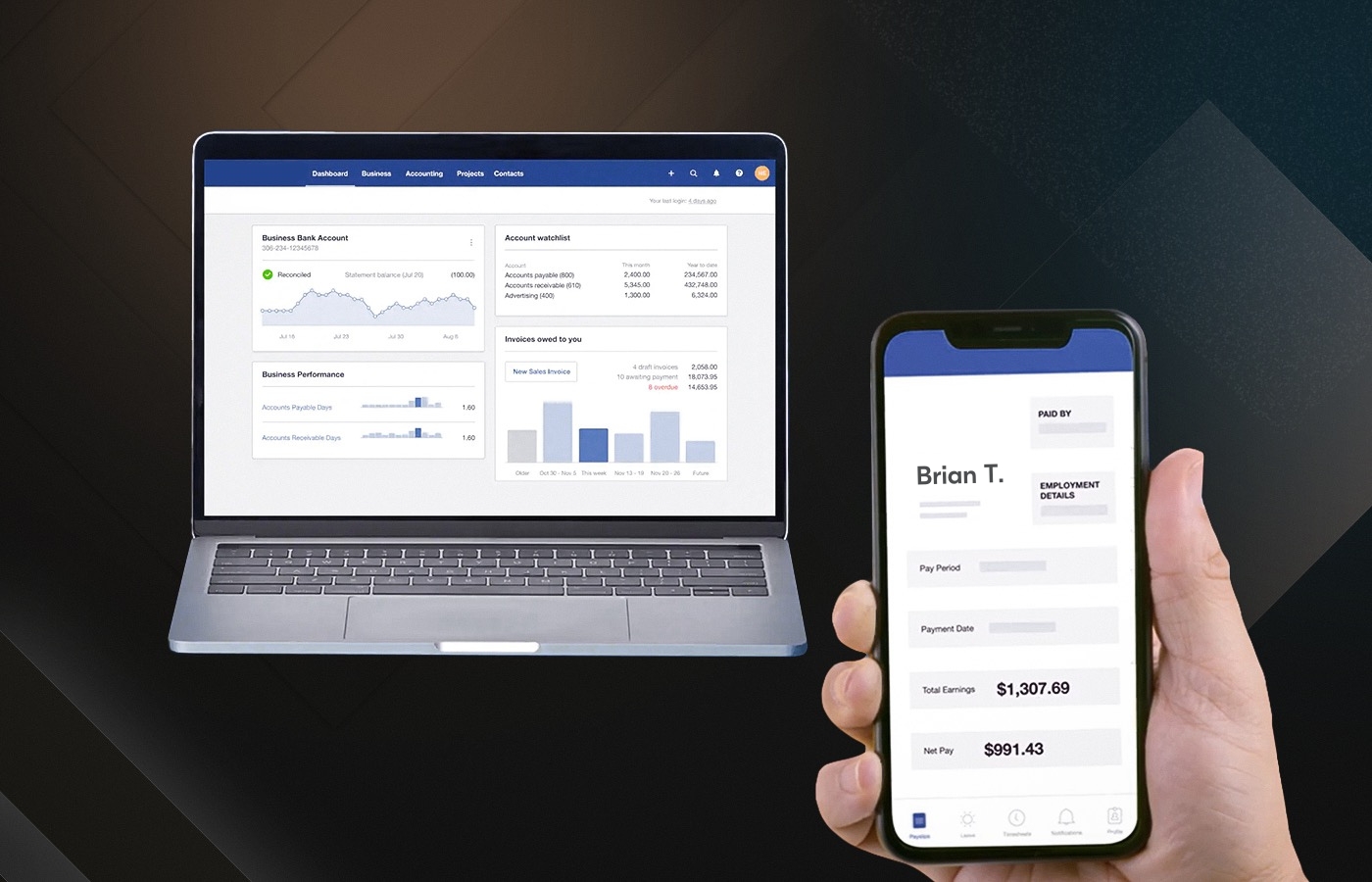
Desktop and Enterprise Systems
Desktop and enterprise-grade applications carry the longest timelines in our portfolio, and the reason is rarely the application itself. It is what surrounds it. The IoT GPS fleet tracking system we built for a logistics operator managing 500 vehicles illustrates this well. Real-time map updates, CAN bus and OBD II vehicle diagnostics integration, ELD and IFTA compliance for US operations, driver scoring, fuel monitoring, and ERP/TMS API connections: none of that is straightforward development work. 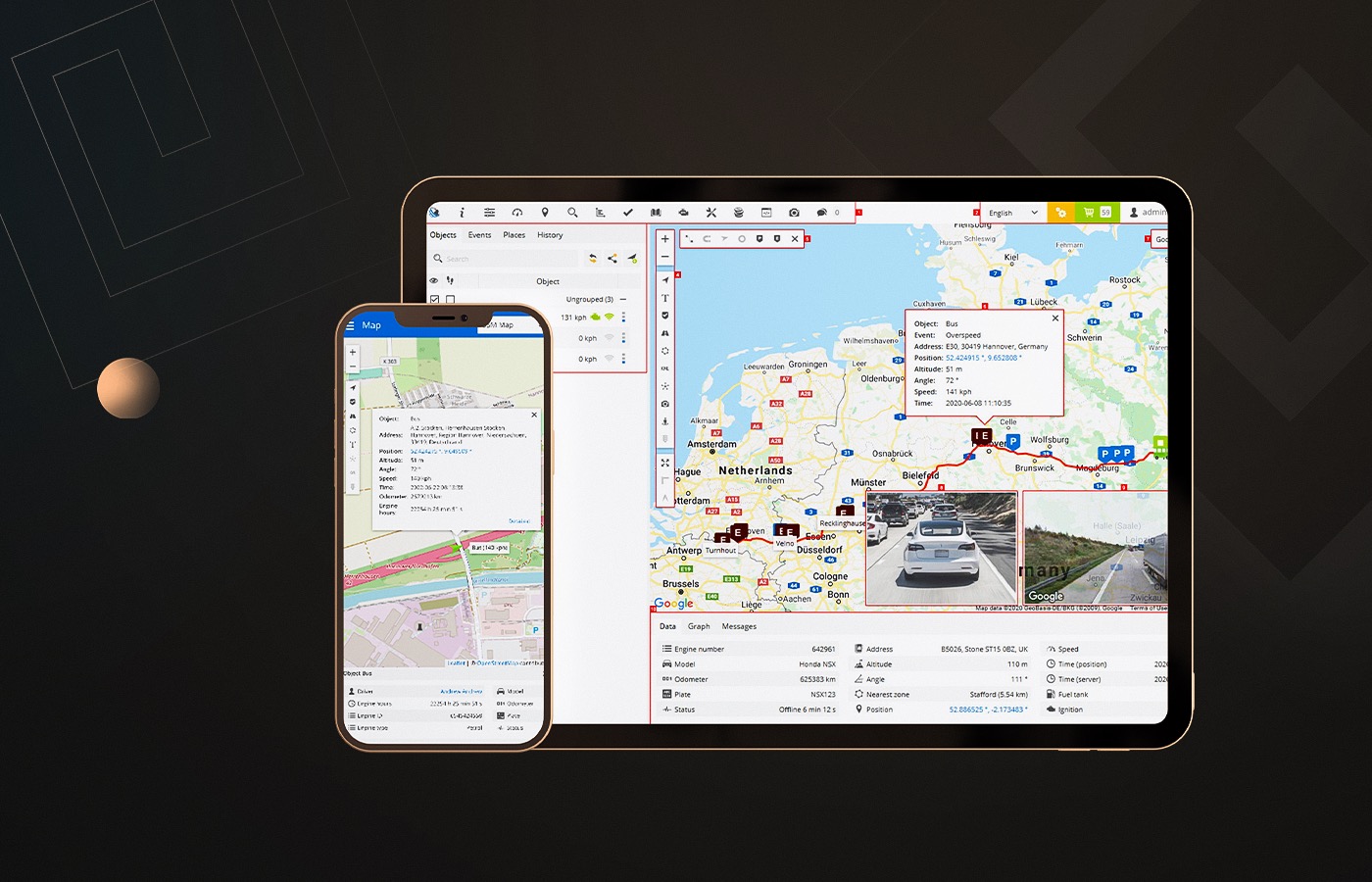
The transportation management system modernization project represents the other common pattern at this tier. We worked on the refactoring deeply coupled legacy code. Our team migrated the data without disrupting operations to rebuild the frontend and backend layers incrementally that are slower than new development, almost by definition.
Key Factors That Influence Development Time
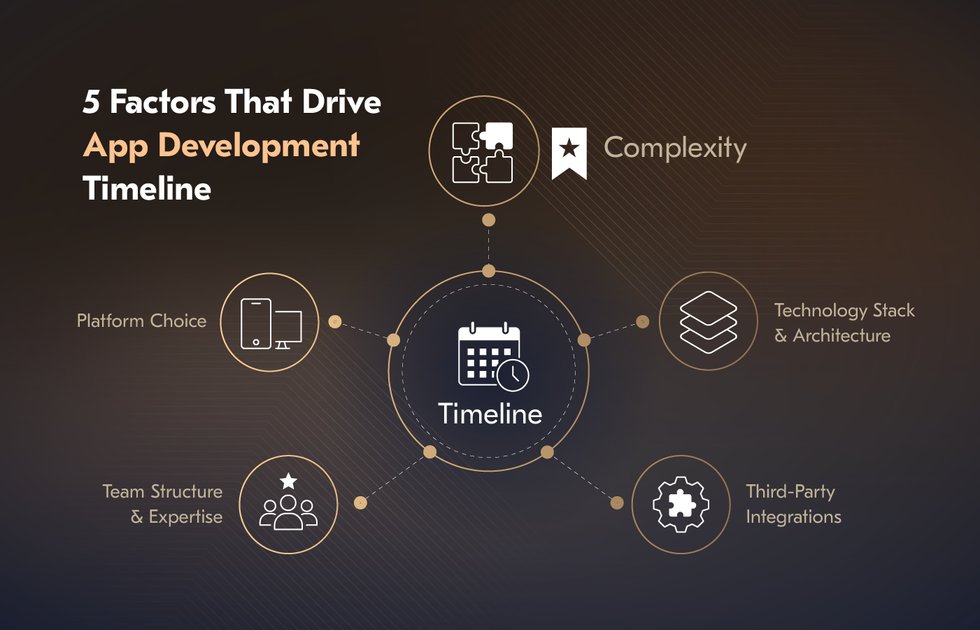
5 factors account for the majority of timeline variance across projects of any type or size.
Complexity
Complexity is about how many user roles the application serves and how much of the underlying infrastructure needs to be built. A feature that looks simple on a product roadmap requires a WebSocket connection, a notification service, device token management, and failure handling logic. Add five more features with similar hidden depth, and the gap between a rough estimate and actual delivery time becomes significant.
Functional complexity also compounds across the data model. Every new entity, relationship, and access rule added to the backend increases the surface area for bugs, the scope of QA, and the number of edge cases that need to be handled before the product is production-ready.
Platform Choice
The choice between native iOS, native Android, or cross-platform development affects not just the development phase but also design, QA, and maintenance. Web applications sidestep the app store review process and deploy faster iteratively, but backend complexity often compensates. Desktop applications typically have the longest timelines. The reason for it is comparable feature scopes. Almost always the enterprise desktop products often involve deeper system integrations and more demanding performance requirements.
Technology Stack and Architecture
The architectural decisions made at the beginning of project shape how quickly each subsequent stage progresses. A well-chosen stack with the right infrastructure will shorten development cycles. Cloud-native architectures built on microservices allow teams to develop and deploy components independently. This approach enables parallel workstreams and reduce the bottlenecks that sequential development creates. On the other end, legacy systems carry a documented drag on delivery speed. Capgemini describes legacy applications as a ‘massive, rusty anchor’ and highlights scenarios where IT teams spend 90% of their budget on legacy, leaving little room for innovation.
Team Structure, Expertise, and Size
How a team is organized matters as much as how large it is. A small, cross-functional team with clear ownership moves faster than a larger group with siloed responsibilities. And definitely better than the team with the handoffs between design, development, QA, and product.
Product-oriented delivery teams consistently outperform traditional project structures on delivery speed. The time to get a new feature from concept to production drops from about 3 months in a conventional structure to roughly 3 weeks in a well-functioning POD model.
Expertise level shapes timelines in a less obvious way. Junior developers working with unfamiliar technology or architecture patterns move more slowly and produce code that requires more review. Less than one-fifth of developers report being deeply familiar with cloud-native technologies like containers and serverless. Bringing in specialists who have solved the same class of problem before is one of the most reliable ways to compress a timeline without cutting scope.
Third-Party Integrations
Integrations are among the most consistently underestimated sources of timeline extensions. On paper, connecting to a payment gateway or external API looks like a discrete task with a clear endpoint. However, each one involves a chain of work. Unfortunately, it rarely goes as smoothly as the documentation suggests.
The most common integration types that add meaningful timeline overhead:
Payment processing. Beyond the initial connection, payment integrations require handling declined transactions. It is needed to guaranteeing the webhook reliability, managing refund logic, and validating PCI compliance across all environments.
EHR and EMR systems. Healthcare integrations involve proprietary data formats, HL7/FHIR mapping, and vendor-specific authentication flows. It can vary significantly between providers.
ERP and CRM platforms. Enterprise system integrations frequently surface data model mismatches that require custom transformation logic.
Third-party APIs with rate limits or unstable uptime. Building retry logic, fallback handling, and monitoring around external dependencies adds development and QA time.
IoT and hardware protocols. CAN bus, OBD II, and similar hardware interfaces require low-level protocol handling that falls entirely outside the standard web or mobile development workflow.
How to Speed Up App Development Without Losing Quality
Start with an MVP and Scope Ruthlessly
The fastest way to accelerate a project is to deliberately build less of it. For example, the MVP app is a precisely scoped release. It answers the most important question your project needs: does this work for real users in a real environment?
The time savings come from two directions:
Smaller scope moves faster through every stage. Fewer features mean shorter design cycles, less backend complexity, and a more manageable QA surface.
An MVP surfaces what actually needs to be built before the team spends months building the wrong things. Features that seemed essential during planning often go unused in practice. Features nobody thought to include turn out to be the ones users ask for first.
The discipline required is organizational. Keeping the MVP scope stable while development is underway is harder than it sounds. Teams that meet their timeline treat scope changes during development as a separate release decision. Paired with agile delivery, an MVP also means something is in users’ hands earlier. Real usage data from a version-one release informs version two more reliably than any amount of pre-launch planning.
Choose the Right Architecture and Tooling
Architectural decisions made at the start either accelerate or constrain every stage that follows. The choices that consistently shorten timelines without reducing quality:
Cross-platform frameworks. React Native and Flutter allow a single codebase to target iOS and Android simultaneously. Highly performance-sensitive features and complex hardware integrations still require native attention, but for the majority of mobile products, cross-platform is the faster path.
Pre-built component libraries. Replacing custom-built interface elements with tested, documented components significantly reduces frontend development time and eliminates a category of bugs before the project starts.
Cloud-managed backend services. AWS Amplify, Firebase, and Supabase cover authentication, file storage, push notifications, and search out of the box.
Low-code platforms for the right workstreams. Internal tools, admin dashboards, workflow automation, and reporting interfaces can be built in days. Capgemini reports that low-code/citizen development can significantly shorten lead times; in one case (Dutch National Police), lead times and operations were reduced by 50%.
AI-assisted development. GitHub Copilot and similar tools accelerate coding tasks by 21 to 28 percent, depending on task type, with the largest gains on documentation, boilerplate, and repetitive implementation patterns.
Structure the Team for Parallel Progress
Most timeline overruns are caused by waiting. Waiting for design approval before development can start. Waiting for backend endpoints before frontend work can progress. Sequential handoffs between siloed functions are where weeks disappear.
The structural changes that remove this friction:
Cross-functional team ownership. Design, frontend development, backend development, and QA work in the same sprint toward the same goal run work in parallel. The time to get a feature from concept to production drops from roughly three months in a conventional handoff structure to around three weeks in a well-organized cross-functional model.
Shift-left testing. Integrating software testing and QA from the first sprint means bugs are found when they are cheap to fix. A defect caught during development costs a fraction of what the same defect costs after it has been built on top of, tested around, and shipped to staging.
CI/CD pipelines. Automated build, test, and deployment pipelines reduce the path from committed code to a deployable build from days of manual process to minutes.
Work with a Partner Who Has Solved the Problem Before
The fastest acceleration available to most projects is experience. A team that has built healthcare integrations, financial data pipelines, IoT systems, or regulated mobile products brings a relevant experience to every new engagement. They know which architectural decisions cause problems and why it is happening.
Hiring and onboarding a team from scratch for a specialized project is one of the most reliable ways to add months to a timeline before development has started. A dedicated development team with relevant domain experience starts faster and makes fewer expensive decisions.
Outsourcing to a trusted partner through custom software development services extends this further. Businesses can benefit from removing the overhead of hiring, retention, and team management from the client. The trade-off is effective outsourcing requires clear communication and well-defined requirements. Your partner should treat your product development as their own problem. When those conditions are met, the combination of domain expertise, established processes, and a dedicated team consistently outperforms building in-house from scratch on both speed and cost.
Build Your App Faster with Acropolium
Most projects fall behind because the timeline was built on assumptions nobody challenged. The scope grew without a formal decision to grow it, or even the team spent the first two months figuring out things that an experienced partner would have known on day one.
In 20+ years of custom software development, we have delivered applications across different industries. We worked with healthcare, logistics, fintech, hospitality, and beyond, including products for Fortune 500 companies and three startups that reached unicorn status. That track record is a body of solved problems that we bring to every new project: integrations that look simple until they are not, architectural decisions that save months or cost them depending on when they are made.
If you are planning a build and want a realistic timeline with a clear scope and a team that has navigated the various challenges before, get in touch. We will tell you what the project actually involves and how long it will realistically take.







![How Much Does App Development Cost? [Full Breakdown]](/img/articles/how-much-it-costs-to-develop-an-app/img01.jpg)