


- Mobile Development
- Cloud Solutions
Building a cross-platform food-to-go ordering solution from scratch, ahead of market demand. Pioneering online food ordering app development before takeout apps became mainstream. Validating React Native as a production-ready technology while delivering a seamless experience across Android and iOS. Designing two interconnected applications (one for consumers and one for restaurant staff) to streamline order flow and eliminate unnecessary wait times. Structuring the product to scale with a growing user base and evolving restaurant needs without compromising speed or reliability.
client
Acropolium
 Czech Republic
 100+ employees
Internal R&D project - Garson (garson.co)
request background
Pre-Ordering App Built Before the Market Knew It Needed One
Back in 2013, Acropolium's internal R&D team identified a gap in the market: customers were losing valuable time waiting for food they could have ordered in advance. As an internal R&D food ordering app project, Garson was born. It was a vision for a smarter, faster takeout experience built entirely in-house.
At the time, restaurant-facing digital tools were limited to clunky POS systems, and consumer-facing mobile options barely existed. Mobile ordering was largely uncharted territory. The team set out to build an app for ordering food at restaurant that let customers browse menus, place orders ahead of time, and pick up their meals without a moment's delay.
The project carried two missions simultaneously – bring a genuinely useful product to market, and test React Native before recommending it to future clients. Building Garson meant solving real problems for both diners and restaurant operators from day one.
challenge
No Competitors and No Playbook
After thorough market research in 2013, the team confirmed what they suspected. There were simply no established apps for pre-ordering food to go. We had no competitors to learn from. Every decision, from UX flows to backend architecture, had to be made from first principles.
Figuring out how to create a food ordering app that was intuitive for everyday users, while also meeting the operational needs of busy restaurant staff, required careful thinking through both sides. The consumer experience needed to be frictionless. The restaurant side needed to be reliable, which means receiving orders accurately, updating statuses instantly, and handling peak-hour surges without breaking.
Layered on top was a calculated technology bet. React Native was new, largely untested in production environments, and lacked the community support it has today. The team chose to pursue food ordering mobile app development on this framework deliberately, treating Garson as a live testing ground. Understanding React Native's limits and strengths was just as important as shipping the product. The insights gathered here would shape technology recommendations for years to come.
goals
- Deliver a genuinely useful food ordering app for restaurants and everyday users.
- Validate React Native as a production-ready framework.
- Establish a shared codebase that could grow without accumulating technical debt.
- Design reliable solutions for real-world network conditions.
- Build a food ordering product that could be iterated on after launch.
solution
Simplifying Client Lives with 2 Purposeful Applications
 React Native, PHP, Laravel, MariaDB
 1+ years
- 5 specialists
The Acropolium team approached this as a food ordering app development company building for the long term – not just shipping an MVP, but establishing a reliable, scalable system from the ground up.
The result was two interconnected applications. The first, built on React Native, serves as the customer-facing mobile app. Available on both Android and iOS, it lets users browse menus, place orders at their convenience, and pick up meals without waiting. The interface was fast, clean, and intuitive.
The second application, built on Ionic, acts as a dedicated food ordering app for restaurants. It receives incoming orders, fires push notifications on order status, and surfaces individual client statistics alongside aggregate order data, giving operators the visibility they need to run a smooth service.
Role-based access, real-time order syncing, and a modular backend ensured the custom food ordering app could grow alongside demand. Both platforms were documented thoroughly, fulfilling Acropolium's parallel goal of understanding React Native inside and out, and translating every hard-won lesson into sharper mobile expertise for future engagements.
outcome
Tangible Results That Proved the Concept in the Real World
- 90% reduction in customer wait times, turning food pickup into a genuinely seamless experience from the moment an order was placed.
- 30% increase in restaurant profit, achieved without paying third-party commissions.
- 55% growth in new customer acquisition, driven by word-of-mouth around a faster, more convenient way to order.
- 40% reduction in personnel costs, freeing staff from manual order intake to focus on preparation and service quality instead.
- 30% increase in profit without paying any commission
- 55% new customers increased
- 40% reduced personnel costs




Related cases

Articles you may also like

Cybersecurity and Data Breach Threats in Hospitality: How to Fix

How Big Data and Analytics Are Transforming the Hospitality Industry
![ML & AI in Hospitality & Travel [7 Use Cases Included]](/img/articles/ai-and-ml-in-travel/img01.jpg)
ML and AI in Hospitality & Travel: Top Benefits & Use Cases
Cloud vs On-Premise Solutions in the Hospitality Industry: Which One to Choose
![SaaS for Hospitality [Use Cases & Benefits]](/img/articles/how-businesses-benefit-from-custom-saas-hospitality-solutions/img01.jpg)
How Businesses Benefit from Custom SaaS Hospitality Solutions

Guide to Hotel Property Management System development

Hotel Revenue Management Software: Must-have Features, Benefits, and Integration
![Why You Need Hotel Data Management to Increase Revenue [8 Examples]](/img/articles/hotel-data-management/img01.jpg)
Why You Need Hotel Data Management to Increase Revenue: 8 Examples
Your Primer on Chatbots for Hospitality and Travel Industries

Hospitality software development: How to enhance guest experience with AI & automation
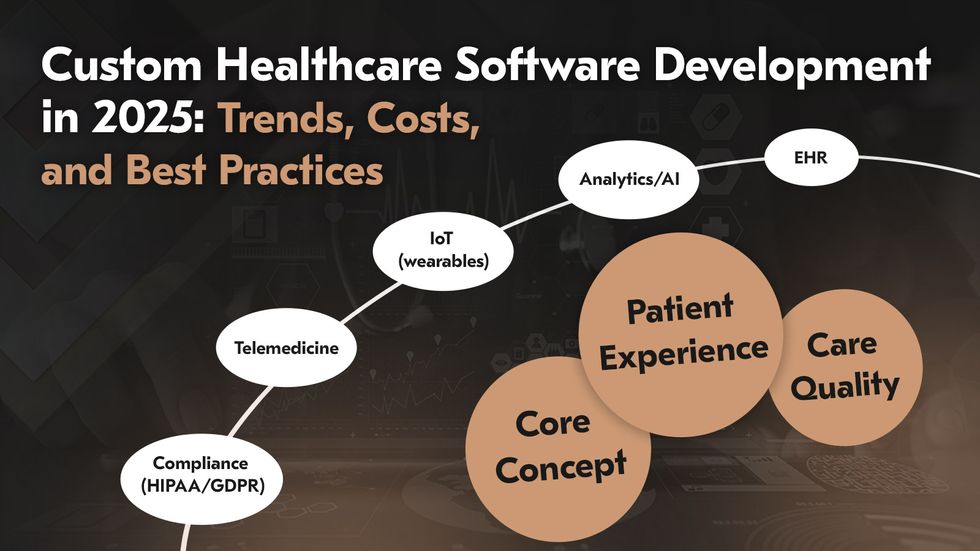
Custom healthcare software development in 2026: trends, costs, and best practices

Why Use Custom Travel Agency Software: Benefits for Travel Business
Top Hospitality Technology Trends to Embrace in 2026
How Hotel Housekeeping Software Drives Operational Excellence & Guest Satisfaction

Hotel App Development: How to Make Revenue-Driving Software
![How to Develop a Custom Hotel Reservation Software in [2025]](/img/articles/custom-hotel-booking-system/img01.jpg)
How to Develop a Custom Hotel Booking System for Your Own Hotel Business
How Software for Hotel Accounting Drives Hospitality Efficiency
![ᐉ Hotel Dynamic Pricing [A 2025 Guide for Hoteliers]](/img/articles/hotel-dynamic-pricing-solutions-development/img01.jpg)
Hotel Dynamic Pricing Solutions Development: Trends, Features, and Challenges
10 Ways to Improve Customer Experience in Hospitality with Hotel Management Software
Implementing Automation in Hotels: Benefits and Real-World Use Cases
![Hotel CRM Software: [Custom vs Off-the-Shelf]](/img/articles/hotel-crm-software-custom-vs-off-the-shelf/img01.jpg)
Hotel CRM Software: Custom vs Off-the-Shelf
Top Impactful Smart Hotel Solutions to Employ for Modern Hoteliers
![Travel API Integration Guide: [Top Travel APIs & Integration Tips]](/img/articles/travel-api-integration-top-apis-and-reasons-to-implement-them/img01.jpg)
Travel API Integration: Top APIs & Reasons to Implement Them
![Travel App Development: Cost & Essential Features [2025 Guide]](/img/articles/travel-application-development/img01.jpg)
Travel Application Development: Converting Advanced User Experiences into Growth
![IoT in Hospitality [5 Ways to Grow Your Hotel Business]](/img/articles/iot-in-hospitality/img01.jpg)
IoT in Hospitality: Enhancing Guest Experiences and Security in Hotels
Contactless Solutions for Hotels: The Revenue Driver for Your Hospitality Business
Food Delivery App Development: Trends, Features and Cost

The Ins and Outs of Hotel Management Software Development

Travel Dynamic Packaging Engine Solutions: The Future of Selling Experiences