


- ERP Development
As data volumes grow and analytical models become more complex, maintaining fast query response times becomes a critical requirement. In this project, Acropolium focused on continuous optimization of datasets and calculation logic to reduce latency and ensure stable performance under increasing analytical workloads. Our engagement focused on data architecture and processing efficiency for high-performance analytics.
client
International maritime logistics operator
 Germany
 200-500 employees
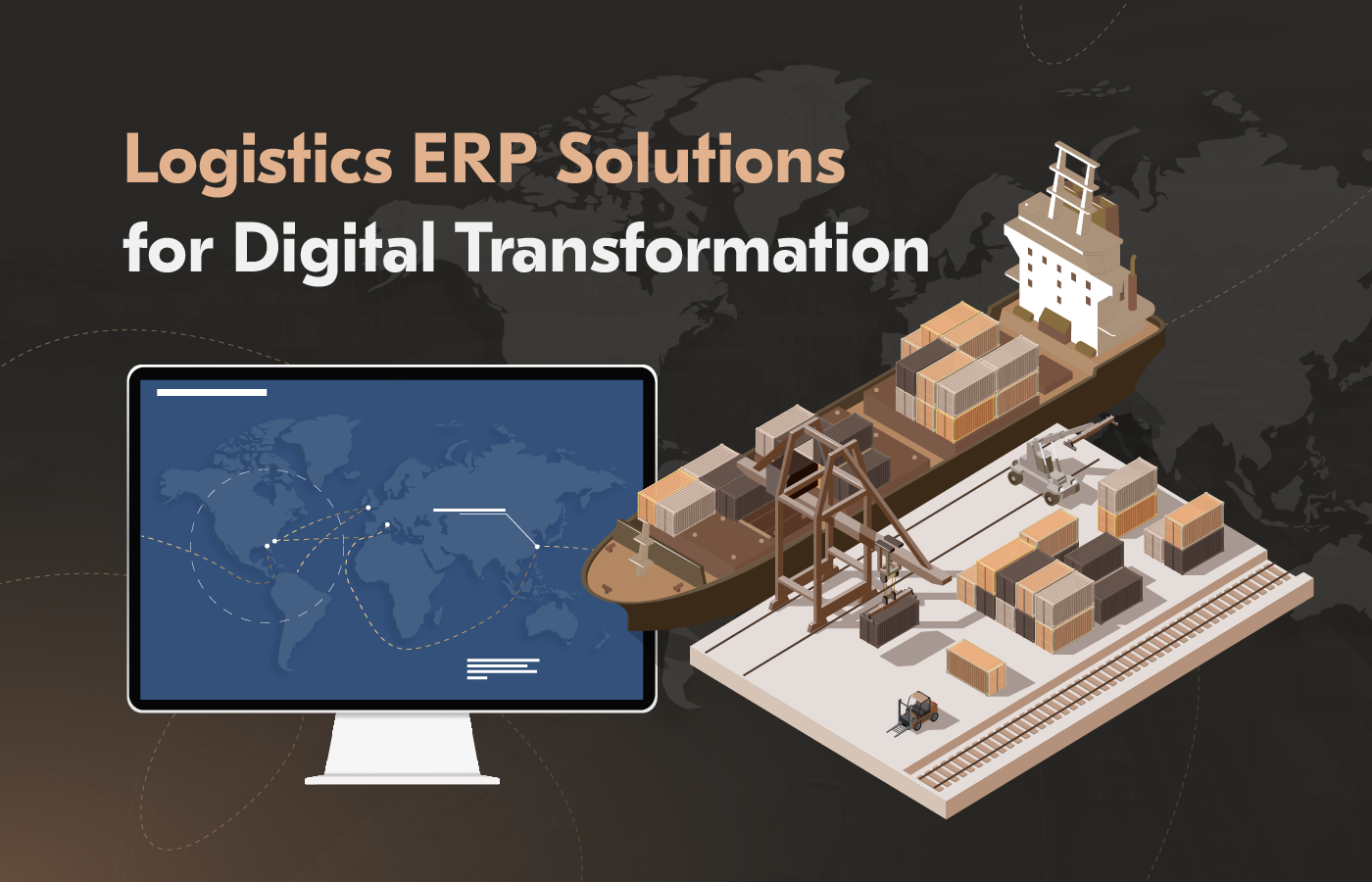
The client is an international maritime and logistics company operating across intercontinental trade routes. The organization manages complex shipping operations, including vessel coordination, container management system, cargo handling, terminal operations, and customer service across multiple regions.
Its operations involve coordination between ports, vessels, inland logistics, and external partners such as customs authorities, financial institutions, and terminal operators. Logistics enterprise resource planning requires reliable systems capable of handling high volumes of operational data, real-time tracking, and cross-border workflows.
In 2025, the company initiated a large-scale digital transformation program centered around the development of Clarion Portal, a unified ERP ecosystem designed to support all business operations. The organization relies on robust shipping management software capabilities to coordinate vessels, cargo, and terminal operations across multiple regions. Our goal of cooperation was to replace fragmented legacy systems with a centralized platform. We should help enterprise to streamline processes and improve visibility.
request background
Building a unified ERP ecosystem
The company approached Acropolium with the objective of developing a comprehensive digital platform that would operate across web, mobile, and desktop environments. The Clarion Portal was envisioned as a central system that would unify customer interactions, internal workflows, and external integrations within a single ecosystem.
A key requirement was to enable customer self-service capabilities. The platform needed to allow customers to book services, request quotes, track shipments, manage documentation, and process payments without relying on manual communication with operational teams.
At the same time, the system had to support internal operational workflows. Logistics ERP solutions include voyage planning, container management system software, servicing operations, and financial reconciliation. These processes were previously distributed across multiple systems. Everything was needed to be consolidated into a unified ERP platform.
The architecture also had to support future integrations with terminal access control systems, banking platforms, customs systems, and EDI services. In addition, the platform was expected to integrate with IoT and Industrial IoT devices such as GPS trackers, sensors, PLC controllers, RFID systems, and license plate recognition cameras in later stages of IoT solutions for logistics development.
challenge
Designing a scalable ERP for complex, multi-layer logistics operations
The primary challenge was designing a coherent ERP logistics system. Its capabilities are the support highly complex maritime and logistics operations across multiple regions. The maritime ERP software needed to handle diverse workflows, including customer-facing services, operational management, and external integrations, while maintaining consistent performance and reliability.
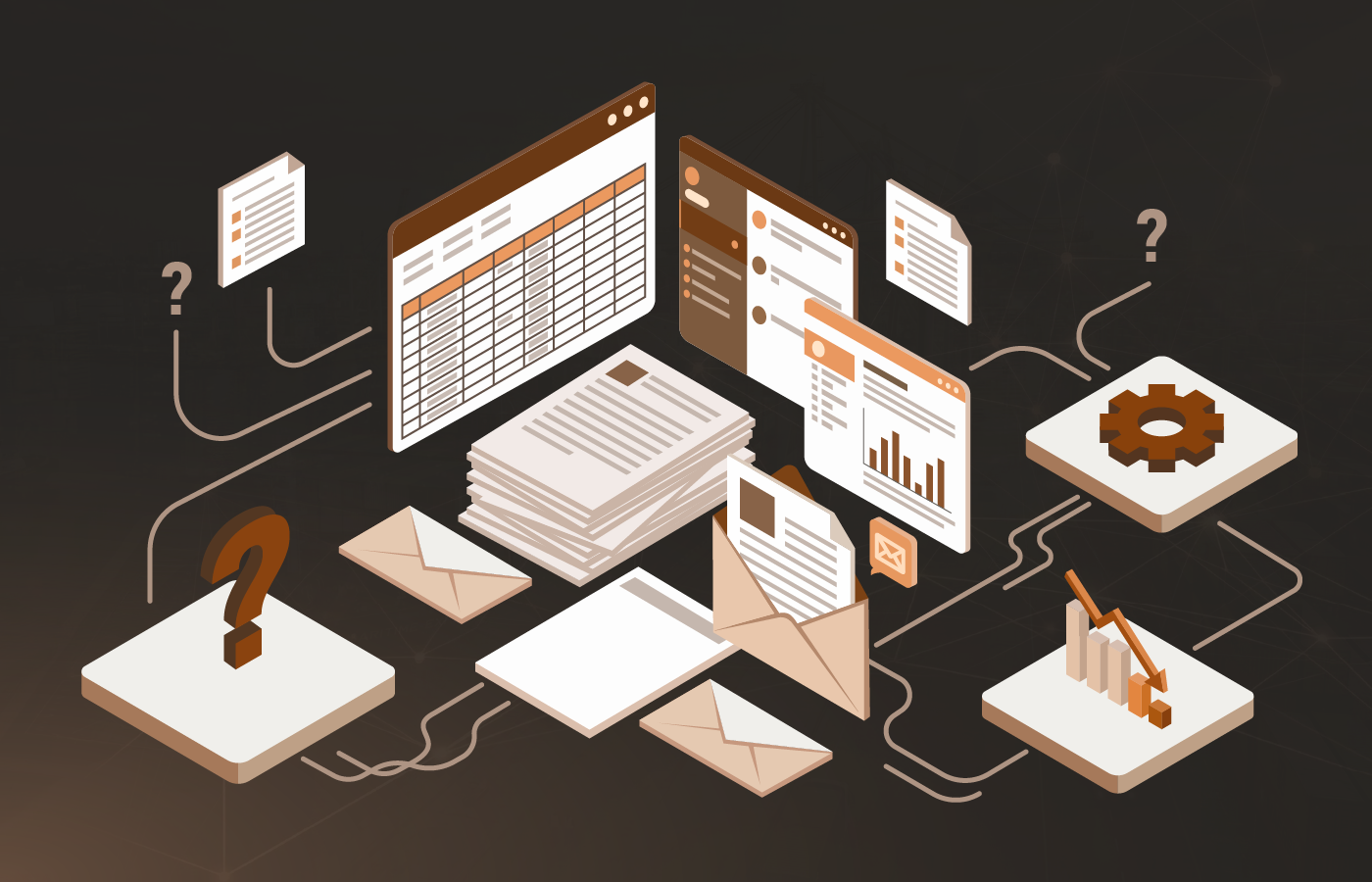
Another challenge involved consolidating fragmented legacy systems into a single platform. Existing processes for booking, tracking, documentation, and operational management were distributed across different tools, which created inefficiencies and limited visibility into operations. Migrating and standardizing these processes required a comprehensive redesign of data models and workflows.
The platform also needed to be built with future integrations in mind. Even though logistics ERP integration with banking systems, customs platforms, EDI services, and IoT devices was planned for later phases. The architecture had to support these capabilities from the very beginning. Enterprise resource planning logistics solutions required designing flexible APIs, scalable data pipelines, and modular system components.
Hardware integration introduced additional complexity. The logistics platform needed to support terminal access control systems. When it happens, it will be prepared for future integration with IoT devices. Those technology is often used for tracking and monitoring cargo, equipment, and vehicles. Ensuring reliable communication between software systems and physical devices required careful architectural planning by the technical team.
Finally, the platform had to support multiple user groups with different requirements. Those people are customers, operational staff, and external partners. Each group required tailored interfaces, access controls, and moreover workflows. Designing a ERP system for logistics that could address these diverse needs was a critical part of the challenge.
goals
- Establish unified IoT logistics solutions to replace fragmented operational tools
- Enable end-to-end digital workflows across booking, logistics, and finance
- Centralize customer, agent, and internal operations within a single platform
- Ensure secure access management with role-based control and SSO
- Support multi-region operations with multi-currency and multi-language capabilities
- Enable real-time tracking and monitoring of shipments and assets
- Prepare the logistics ERP software integration with IoT, hardware, and external systems
- Ensure scalability to handle high transaction volumes and operational growth
solution
Our approach to building a logistics platform
 Node.js, .NET, REST APIs, Time-series DB, React.js, React Native, Keycloak, RBAC, PayPal, Modbus TCP, iLinkCon, SimpleStow
 24 months
- 10 specialists
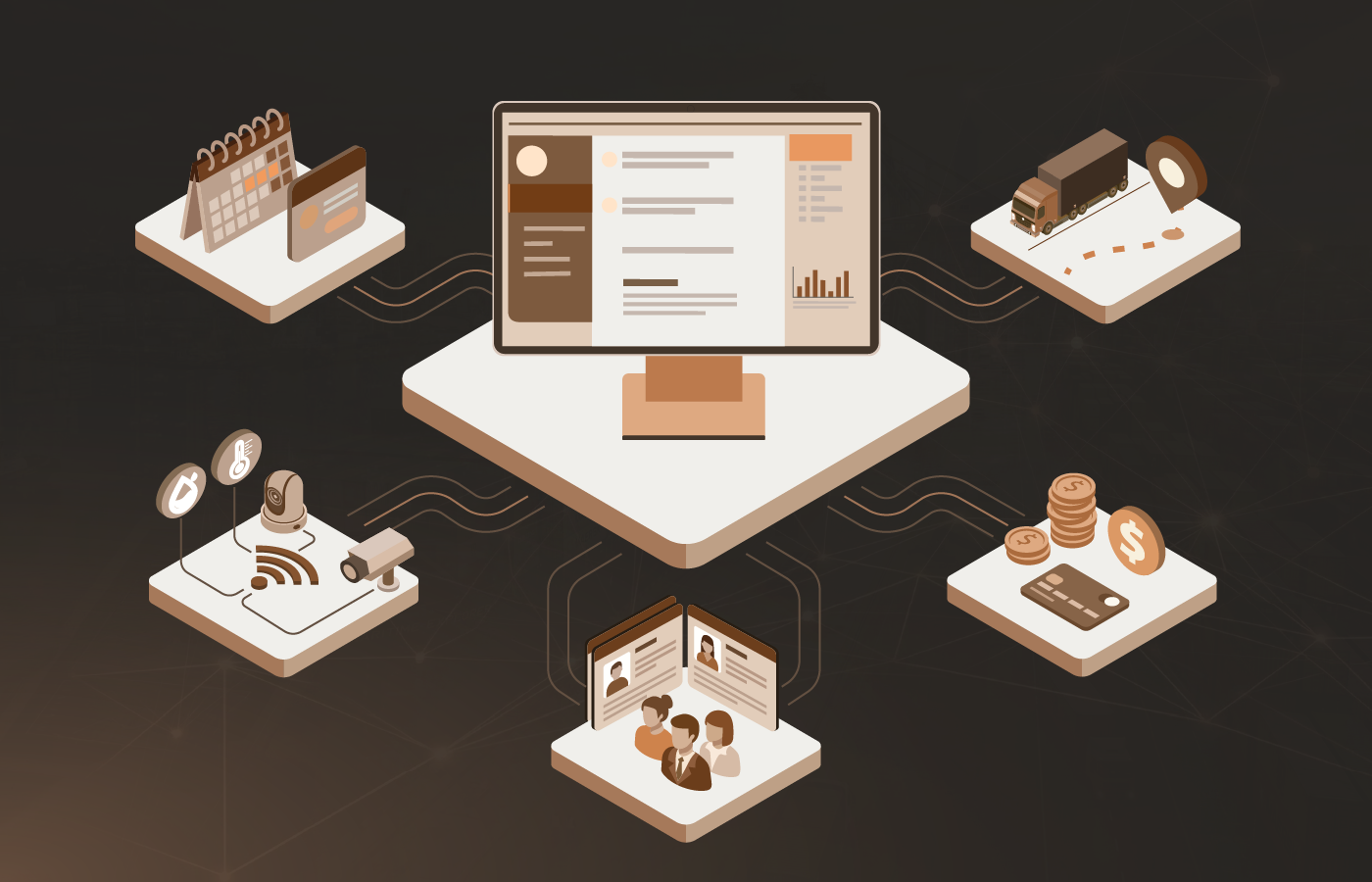
Acropolium approached the engagement as the development of a full-scale ERP system tailored for a logistics enterprise. The system was designed as shipping ERP software connecting customer interactions, logistics workflows, and external integrations. The focus was placed on building a modular, API-first architecture that could support complex operational workflows while remaining flexible for future expansion. The ERP software for logistics was designed as a unified platform connecting customer interactions, internal operations, and external integrations.
A microservices-based architecture was implemented to separate core business domains such as customer management, agent workflows, staff operations, administration, and access control. Keycloak was introduced as a centralized identity provider to manage authentication, single sign-on, and role-based access control across all system components. Logistics enterprise resource planning ensured secure, consistent access management across different user groups.
The team redesigned the operational logic. We introduced a structured lifecycle model. This system connects booking, logistics execution, and financial processes. Logistics ERP system replaced the client’s previous Excel- and email-based workflows with a job-based system. Time-series data storage was also implemented to handle GPS tracking data and access logs efficiently.
From an infrastructure perspective, the logistics platform was built using a cloud-first approach on AWS. We also combined it with on-premise redundancy for terminal operations. Offline-first capabilities were introduced for critical scenarios. Some of them are gate access and field operations, ensuring system availability even in environments with unstable connectivity.
The ERP solutions for logistics also included a robust integration layer to support communication with external systems and hardware. This enabled integration with GPS providers, payment gateways, banking systems. Also, it works for industrial protocols such as Modbus TCP. The architecture was designed to accommodate future IoT and Industrial IoT integrations without requiring significant rework.
- Designed an API-first microservices architecture
- Defined modular domains for customer, agent, staff, admin, and access control
- Implemented via Keycloak (SSO + RBAC) a centralized identity management
- Built a unified booking-to-financial lifecycle model
- Developed for GPS and access logs on time-series data storage
- Migrated infrastructure to a cloud-first AWS environment with on-premise redundancy
- Enabled offline-first functionality for terminal and field operations
- Integrated external systems, including GPS and banking services
- Established integration layer for IoT and industrial hardware
- Introduced multi- and multi-language support for global operations
outcome
Transition to a fully digital ERP logistics software
- Centralized and fully paperless operational workflows
- Reduced booking and processing turnaround times
- Automated financial reconciliation and revenue assurance
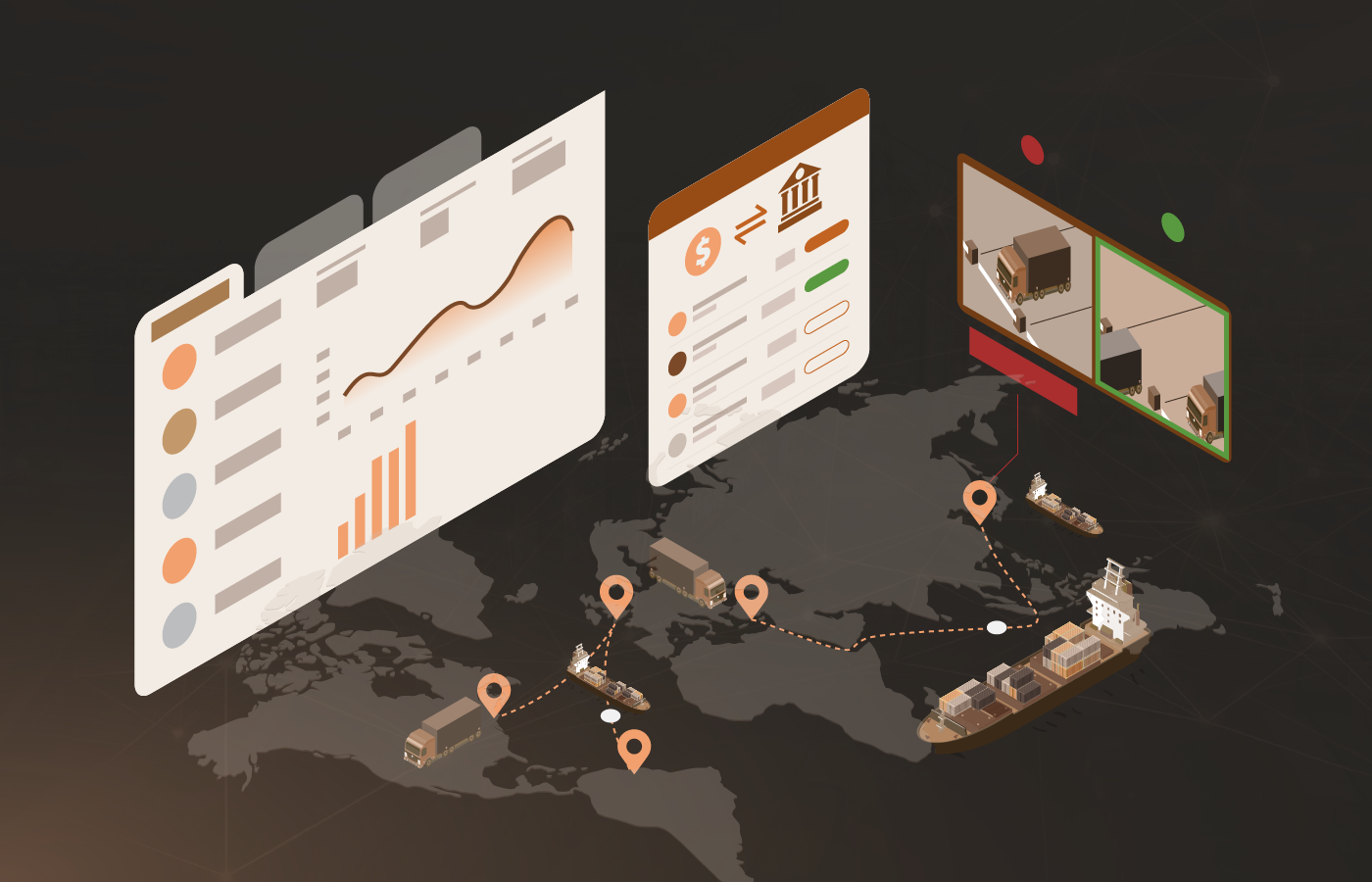
- Real-time visibility of shipments and operational data
- Improved decision-making through data-driven dashboards




Related cases

Articles you may also like
Top Logistics Technology Trends Reshaping the Industry in 2026

EDI in Logistics: How to Develop EDI Software to Make an E-Switch?

3PL Warehouse Management System: Why Choose a Custom SaaS WMS for Your Warehouse
Best Trucking Software to Consider: Custom vs Off-the-Shelf
Best Trucking Dispatching Software: Custom vs Off-the-Shelf
AI Route Planning: Must-Have Automation & Optimization Practices
![Generative AI in Supply Chain Management: [Use Cases & Solutions]](/img/articles/generative-ai-supply-chain-solutions/img01.jpg)
Investing in Generative AI Supply Chain Solutions: Use Cases & Challenges
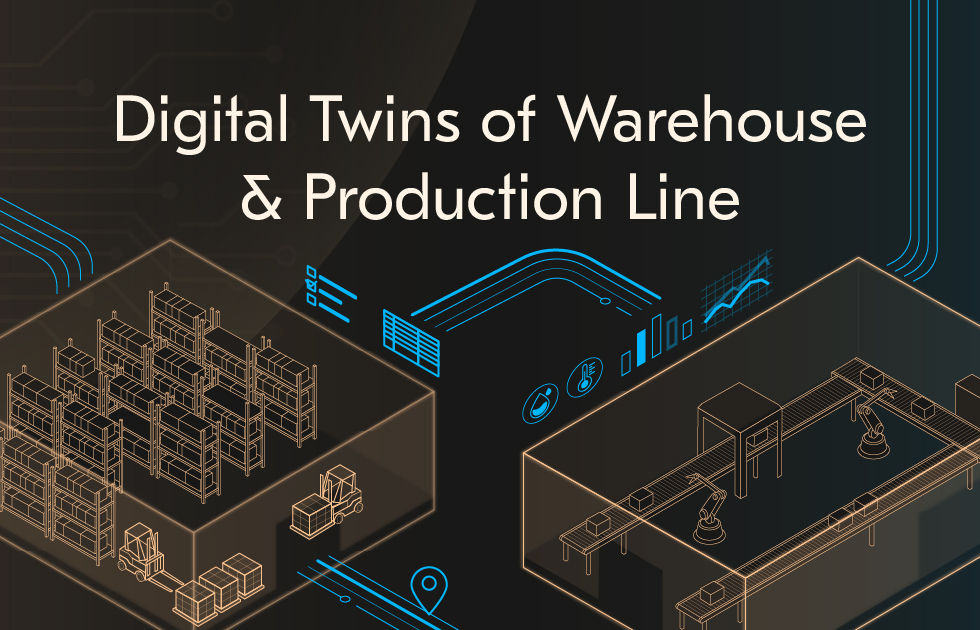
Digital twins of the warehouse and production line: modeling, telemetry and payback KPIs
![AI in Warehouse Management: [Benefits & Use Cases]](/img/articles/ai-in-warehouse-management/img01.jpg)
Why & How to Employ AI in Warehouse Management: Applications & Success Cases
![IoT for Supply Chain Businesses: [6 Use Cases Included]](/img/articles/iot-for-supply-chain-management/img01.jpg)
IoT for Supply Chain Management: Use Cases, Benefits & Real Examples
Embracing IoT in Transportation and Logistics to Boost Supply Chain Visibility
![ᐉ Airport Operations Management Solftware [2025 Guide]](/img/articles/airport-operations-management/img01.jpg)
Airport Operations Management Software to Modernize Your Business in 2025
![ᐉ Big Data in Logistics: Key Benefits [5 Real Use Cases]](/img/articles/big-data-in-logistics/img01.jpg)
Big Data in Logistics: Key Benefits & 5 Real Use Cases
![ᐉ Mapbox vs. Google Maps [Choosing a Map API]](/img/articles/map-api/img01.jpg)
Mapbox vs. Google Maps: Choosing a Map API
![Machine Learning in Logistics and Supply Chain [7 Use Cases Included]](/img/articles/machine-learning-in-supply-chain-and-logistics/img01.jpg)
Adopting Machine Learning in Supply Chain and Logistics for Successful Automation
![Transport App Development [A 2025 Guide for Startups & Businesses]](/img/articles/transportation-app-development-guide/img01.jpg)
Transportation App Development Guide for Businesses: Benefits, Features & Case Studies
![ᐉ Blockchain in Logistics [Key Benefits & Real-Life Use Cases]](/img/articles/blockchain-implementation-in-logistics/img01.jpg)
Blockchain in Logistics: Key Benefits & Real-Life Use Cases
![Blockchain for Supply Chain Management: [Benefits & Use Cases]](/img/articles/why-and-how-to-employ-blockchain-in-supply-chain-management-tips-and-success-stories/img01.jpg)
Why and How to Employ Blockchain in Supply Chain Management (Tips & Success Stories)
![Predictive Analytics for Supply Chains in 2025: [Benefits & Applications]](/img/articles/predictive-analytics-in-supply-chains/img01.jpg)
Why Use Predictive Analytics in Supply Chains? Advantages, Use Cases & Solutions
![Fleet Fuel Management System [Complete Guide]](/img/articles/build-a-fuel-management-system/img01.jpg)
How to Build a Fleet Fuel Management System [Complete Guide]
![A Sustainability Transportation Guide: [Best Practices & Use Cases]](/img/articles/sustainable-transportation-practices/img01.jpg)
Sustainable Transportation Practices: Why Invest in Renewable Energy
![ᐉ Logistics Customer Portal Development: [2025 Guide]](/img/articles/logistics-customer-portal-development/img01.jpg)
Logistics Customer Portal Development: Step-by-Step Guide
![Transportation Telematics System: [Benefits, Challenges & Use Cases]](/img/articles/the-power-of-telematic-systems-in-transportation-benefits-challenges-and-use-cases/img01.jpg)
The Power of Telematic Systems in Transportation: Benefits, Challenges & Use Cases
![ᐉ Uber API Integration: [Step-by-Step Guide & Use Cases]](/img/articles/how-to-integrate-uber-api/img01.jpg)
Uber API Integration: A Complete Guide with 7 Benefits & Examples
![Big Data in Supply Chain: [9 Real Use Cases Included]](/img/articles/big-data-in-supply-chain-real-world-use-cases-and-success-stories/img01.jpg)
Big Data in Supply Chain: Real-World Use Cases and Success Stories
![6 Use Cases of AI in Transportation and Logistics: [2025 Edition]](/img/articles/ai-in-transportation/img01.jpg)
Use Cases of AI in Transportation & Logistics: Are They Relevant for Your Business?
![IoT in Fleet Management: [Use Cases, Trends & Case Studies]](/img/articles/employing-iot-for-fleet-management-benefits-use-cases-and-success-stories/img01.jpg)
Employing IoT for Fleet Management: Benefits, Use Cases & Success Stories
![Last-Mile Delivery Optimization: [Key Strategies in 2025]](/img/articles/last-mile-delivery-solutions-optimize-logistics-for-better-customer-satisfaction/img01.jpg)
Last-mile Delivery Solutions: Optimize Logistics for Better Customer Satisfaction
![Load Planning Software: [Features, Types and Benefits]](/img/articles/load-planning-software-features-types-and-benefits/img01.jpg)
Load Planning Software: Features, Types and Benefits

How to Develop a GPS Tracking Software for Real-time Vehicle Tracking
![Multi-Carrier Shipping Software: [8 Use Cases & Key Benefits]](/img/articles/multi-carrier-shipping-software-a-guide-to-enhancing-shipping-efficiency/img01.jpg)
Multi-Carrier Shipping Software: a Guide to Enhancing Shipping Efficiency
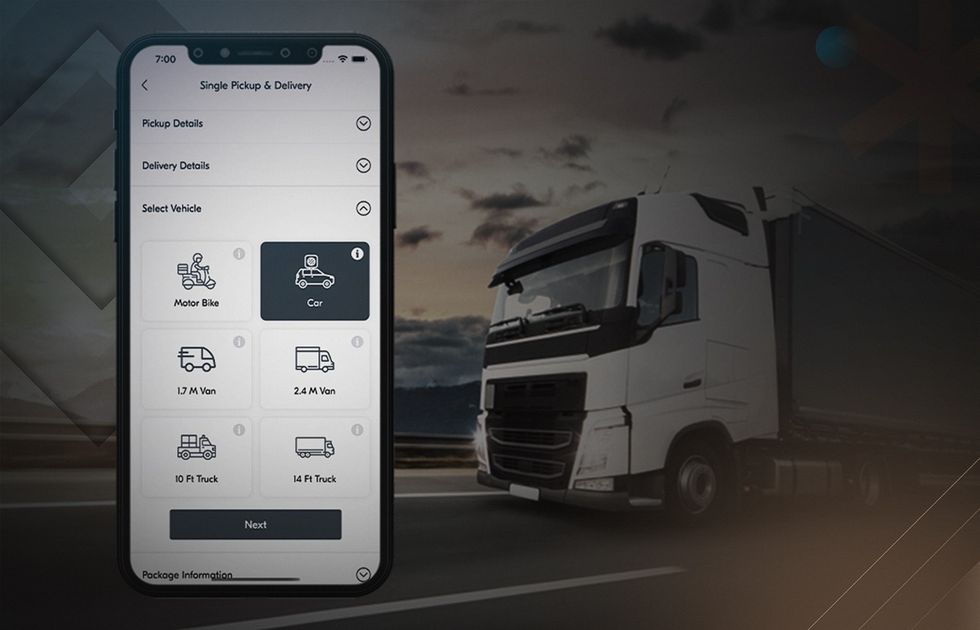
How to Build Custom Fleet Management and Maintenance Software
![Transportation Management Software Development [2025 Guide]](/img/articles/transportation-software/img01.jpg)
Transportation Management Software Development — A Detailed Overview
![How to choose the Best Transportation Management Software [2025 Guide]](/img/articles/best-transportation-management-software/img01.jpg)
How to Choose the Best Transportation Management Software: Custom vs. Off-the-Shelf
![Warehouse Automation Systems [8 Benefits for Your Business]](/img/articles/warehouse-automation-systems/img01.jpeg)
Warehouse Automation Systems: Technologies Taking Warehousing to the Next Level
How to develop a logistics document management system (case study included)
![Supply Chain Analytics Software [Key Features & Use Cases]](/img/articles/supply-chain-analytics-software/img01.jpg)
Employing Supply Chain Analytics Software for Efficient Workflows — Key Features & Use Cases
![The Best Route Optimization Software to Employ in [2025]](/img/articles/route-optimization-software/img01.jpg)
Custom vs. Off-the-Shelf Route Optimization Software: Which Serves You Best?
![Logistics & Shipping APIs Integration Guide [2025]](/img/articles/logistics-and-shipping-apis/img01.jpg)
A Guide to Integrating Logistics and Shipping APIs to Optimize Your Supply Chain Business
![Cloud Computing in Logistics and Supply Chain [2025 Guide]](/img/articles/cloud-computing-in-logistics-and-supply-chain/img01.jpg)
Cloud Computing in Logistics and Supply Chain: Use Cases Included
![ᐉ Warehouse Management Systems Development [2025 Guide]](/img/articles/warehouse-management-systems/img01.jpg)
Warehouse Management Systems Development: Empowering Real-Time Tracking and Visibility

Chatbots in Logistics & Transportation: Benefits & Use Cases
Logistics & Transportation Software Modernization: Best Practices and Lessons Learned

How Software for Freight Brokers Increases Business Efficiency and Profitability: Real-World Examples

Logistics App Development: Building a Product That Will Help Your Business
![Logistics Management System [2025 Guide]: Use Cases Included](/img/articles/logistics-management-system/img01.jpg)
Why A Logistics Management System Is A Must For Successful Supply Chain Operations

Supply Chain Management Software System: Its Features, Benefits, and How to Integrate a Suitable One

How to Turn Custom Freight Forwarding Software to Your Advantage
![Shipping Management System Development ☑️ [2025 Guide]](/img/articles/shipping-management-system/img01.jpg)
How to Automate the Shipping Process with a Shipping Management System
Guide of How to Integrate e-AWB for a Freight Forwarder
Why It Pays to Build Dispatch Management Software
How to Build Vehicle Routing Software to Earn More and Drive Less?